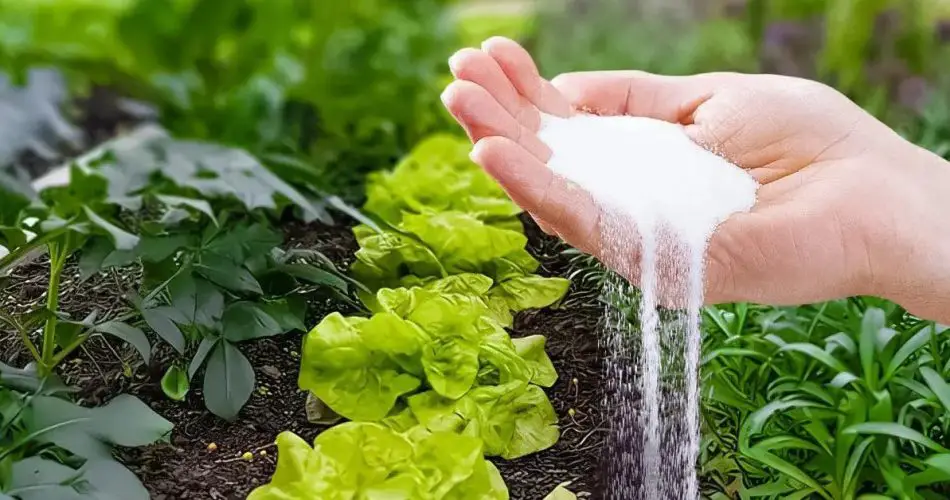
Are you looking to improve your vegetable garden and ensure a prosperous harvest this season? If so, urea might be the secret ingredient you’re missing! In this article, we’ll explore the benefits of urea as a fertilizer and provide you with all the essential tips for its proper application. Whether you’re a beginner or an experienced gardener, this guide will help you achieve healthier plants and more abundant crops.
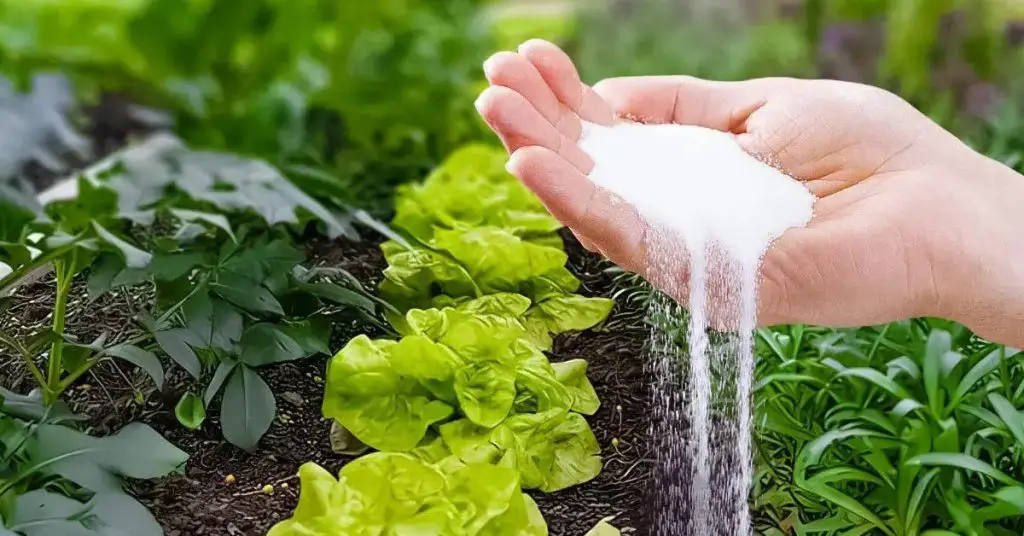
What is Urea and Why Should You Use It?
Urea is a powerful organic fertilizer that improves the quality of soil by providing essential nitrogen to plants. It is a chemical compound made up of odorless white or yellow crystals and is known for its high nitrogen content, reaching up to 46%. This makes urea an excellent choice for boosting plant growth and promoting vibrant leaf color. Urea is highly soluble in water, making it easy for plants to absorb the nutrients they need.
Despite its benefits, it’s crucial to understand when and how to use urea in your garden to avoid potential drawbacks. Let’s take a closer look at the characteristics of this fertilizer and how it can enhance your gardening efforts.
How to Use Urea in Your Garden
While urea can be introduced into the garden in the fall, its effectiveness is often compromised. During the fall, nitrogen released from urea tends to decompose quickly due to the activity of microorganisms. As a result, much of the nitrogen is washed away or seeps into the deeper layers of the soil, leaving little available for spring growth. Early spring, however, is the ideal time to apply urea for optimal results.
For best results, apply urea 7 to 10 days before sowing your seeds, placing it at a depth of 6 to 8 centimeters. This application method works well both outdoors and in greenhouses or indoor gardens.
Urea is particularly effective on slightly acidic peaty soils with an optimal moisture level. For neutral or alkaline soils, ensure the urea is carefully worked into the soil to prevent nitrogen loss.
Fertilization Methods with Urea
There are several stages in which you can apply urea to your garden. Here’s a breakdown of the most effective fertilization methods:
| Fertilization Stage | Method | Details |
|---|---|---|
| Before sowing | Introduction of urea granules | Incorporate the granules into the furrows during spring plowing to a depth of at least 4 cm. |
| During sowing | Combined urea and potassium fertilizers | Do not mix fertilizer pellets directly with seeds; ensure a soil layer separates them. |
| During growth | Foliar feeding | Dissolve urea in water and spray on leaves in the early morning or late evening for better absorption. |
How Much Urea Should You Use?
To avoid over-fertilizing, it’s important to follow the recommended urea dosages based on the specific plants in your garden. Here’s a guide to help you apply the right amount of urea:
- Vegetable crops: Use 3-4 grams of urea per planting hole.
- Tomatoes, potatoes, cabbages, garlic, strawberries, or cucumbers: Dilute 25-30 grams of urea in 10 liters of water. Apply 1 liter of the solution per plant.
- Currants: Use 20 grams of urea per 10 liters of water until the buds swell.
- Gooseberries: Apply 2 tablespoons of urea.
- Flowering plants (hyacinths, roses, etc.): Use 5-10 grams of urea per square meter.
- Fruit trees: Apply 140-150 grams of urea to young apple trees and 200-250 grams to adult fruiting apple trees.
How to Use Urea in Liquid Form
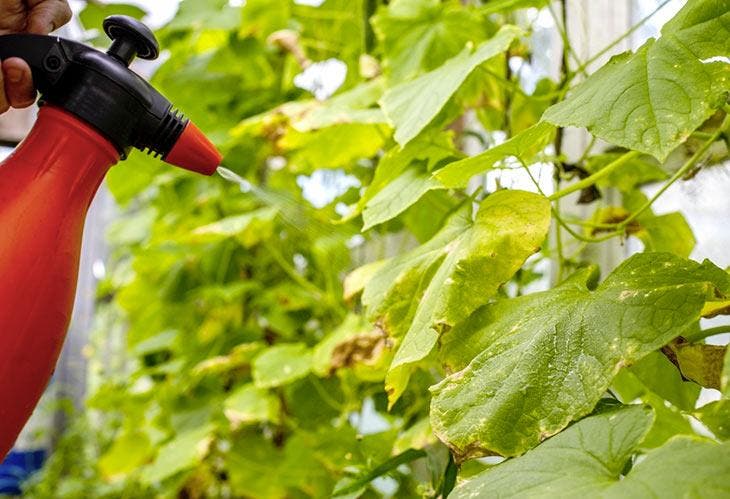
In addition to soil application, spraying your plants with a urea-based solution can help prevent pest infestations and promote healthy growth. To create this solution, dissolve 1 tablespoon of urea in 10 liters of water. Apply the solution during early spring, before bud break, to help combat the eggs of overwintering parasites.
For general pest control and disease prevention, spray your garden or vegetable patch with 800 grams of urea per 10 liters of water.
Conclusion
Using urea as a fertilizer is an excellent way to boost plant growth, improve leaf color, and increase harvest yields. It’s particularly effective when applied in early spring, before sowing seeds. By following the right application techniques and paying attention to the specific needs of your plants, you can enjoy a more productive vegetable garden. Whether used in the soil or as a foliar spray, urea is an invaluable tool for any gardener looking to grow a lush, thriving garden.


