Did you know that bacteria in the soil can make flowers more appealing to pollinators? A fascinating study published in the American Journal of Botany has revealed that mutualistic interactions between plants and nitrogen-fixing bacteria can enhance flower quality and attractiveness, especially in nutrient-poor soils.
Let’s dive into this groundbreaking research and understand how bacteria help plants thrive and attract more pollinators!
🔄 The Science of Mutualistic Interactions
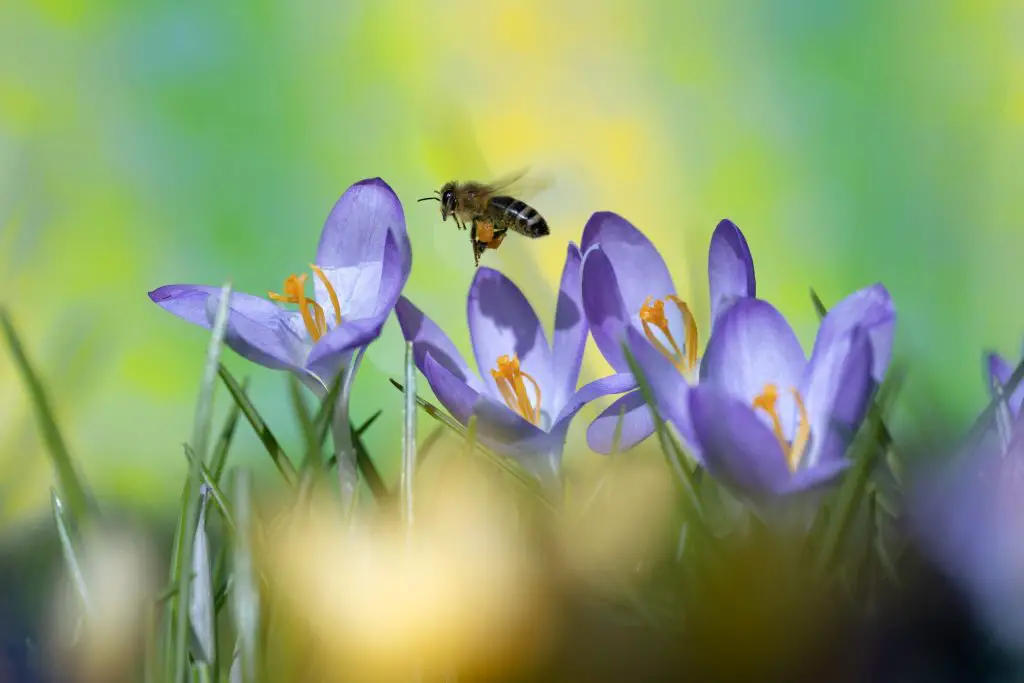
A mutualistic interaction occurs when two species benefit from each other. A classic example is pollination, where:
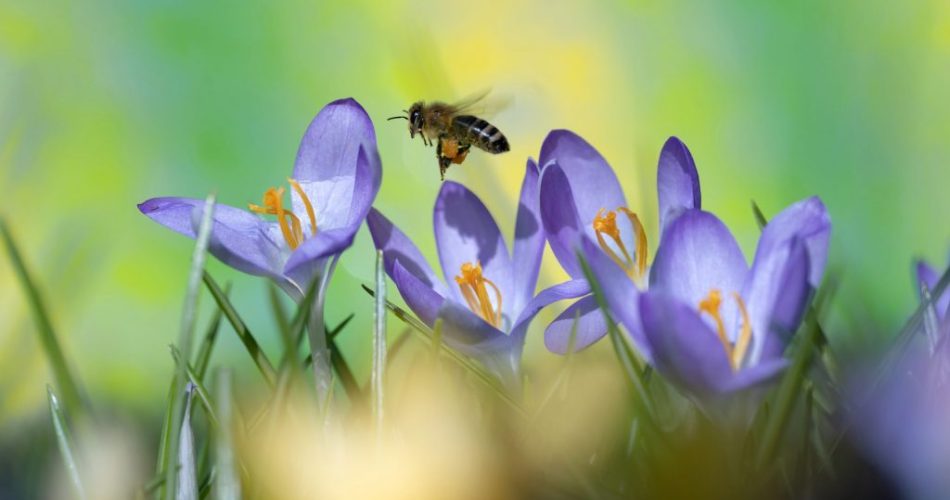
✔ Pollinating insects obtain food from flowers 🌸
✔ Plants get pollinated, which is essential for their reproduction 🌱
This study focused on Chamaecrista latistipula, a legume from the Fabaceae family, which also includes beans and peas. This shrub grows in nutrient-poor soils across Brazil, Bolivia, and Argentina but still manages to attract pollinators thanks to its special relationship with soil bacteria.
🦠 How Soil Bacteria Boost Pollination
According to Professor Anselmo Nogueira from the Federal University of ABC (UFABC) in Brazil, this plant forms a mutualistic relationship with nitrogen-fixing bacteria.
🌱 What do bacteria do?
✔ Provide nitrogen to the plant’s roots, which is essential for growth.
✔ Receive sugars from the plant in exchange for their services.
🐝 How does this help pollinators?
✔ The plant produces higher-quality pollen, rich in amino acids and proteins.
✔ The flowers develop distinct color patterns that make them more attractive to bumblebees.
🔬 The Experiment: Testing the Power of Bacteria
Researchers grew 60 Chamaecrista latistipula plants in a greenhouse for 16 months under two different conditions:
1️⃣ Half of the plants were grown in sandy, nutrient-poor soil but with added nitrogen-fixing bacteria (rhizobia).
2️⃣ The other half were grown in nutrient-rich soil with added potassium nitrate but no bacteria.
To ensure accurate results:
✔ Both soils were sterilized to eliminate pre-existing bacteria.
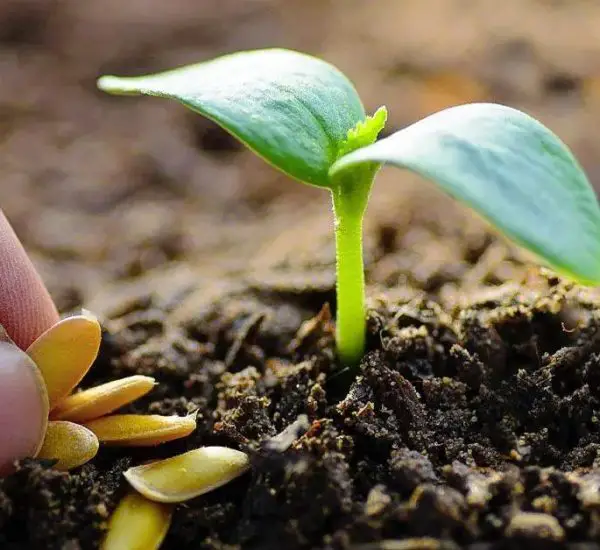
✔ Seeds were disinfected to prevent external bacterial contamination.
🌿 Surprising Results: Bacteria Make Plants Healthier and Taller
📊 Findings:
✔ Plants in nutrient-poor soil but with bacteria were almost twice as tall and three times larger than those in nutrient-rich soil without bacteria!
✔ These plants also developed more root nodules, where bacteria live and provide nitrogen.
🧐 Why does this matter?
It shows that nutrient-rich soil alone isn’t enough—bacteria play a crucial role in plant health and growth.
🎨 How Bacteria Affect Flower Color and Pollinator Attraction
Using a surface spectrophotometer, researchers analyzed how light was reflected by the flowers—this helped determine how bumblebees perceive the flowers’ colors.
🐝 Key discovery:
✔ Flowers from bacteria-enriched plants had color patterns that were more attractive to bumblebees.
✔ Bumblebees have a different color perception than humans, meaning these patterns likely drew them in.
📢 Fun fact: The pollen in these flowers is stored in anthers that only release it when vibrated—a trick that only certain bumblebee species (like those in the Bombus genus) can master!
🌍 What This Means for Gardening and Agriculture
This study proves that soil bacteria are more than just microscopic organisms—they can:
🌱 Help plants grow stronger and healthier
🐝 Improve pollination by making flowers more attractive
🌾 Enhance pollen quality, benefiting both plants and insects
By promoting bacterial diversity in soil, farmers and gardeners could increase crop yields naturally without relying on chemical fertilizers.
💡 Final Thoughts: The Hidden Power of Soil Bacteria
Nature has amazing hidden relationships, and this study highlights how microbes and plants work together to survive in challenging environments.
So next time you see a thriving plant in poor soil, remember—it might just have a little bacterial help! 🦠💚