For those who live in apartments or homes with limited natural light, finding the right houseplants that can survive in low-light conditions can be a challenge. Fortunately, there are a number of plants that thrive in the dark—plants that are not only easy to care for but can also bring life and beauty to otherwise empty, dimly lit corners of your home.

Plants That Can Live in the Dark: The Perfect Solution for Shady Spots
Many homes have areas that receive little or no sunlight, often creating dull and lifeless spaces. Instead of abandoning these corners, plants that survive in the dark can help bring some life and freshness to these rooms. These plants are perfect for apartments, offices, or any room that lacks direct sunlight.
These resilient plants are also ideal for shaded or semi-shaded garden areas. Despite their low light requirements, they often brighten up the room and even bloom beautifully in the evening. Let’s take a closer look at some of the best plants that can flourish in these challenging conditions.
The Characteristics of Plants That Survive in Low Light

Plants that can live in the dark tend to have a few key characteristics:
- Low water needs: These plants don’t require frequent watering and are more tolerant of dry conditions.
- Nighttime blooms: Some nocturnal plants bloom at night, adding a magical touch to your home.
- Resilient and adaptable: These plants can handle less-than-ideal growing conditions, such as low light and limited watering.
While they don’t need constant attention, it’s still important to make sure the soil drains well and that the plant isn’t overwatered. To improve drainage, you can add a little expanded clay to the soil. Liquid fertilizers are also ideal for giving these plants the nutrients they need to grow and flourish.
Best Houseplants for Low Light and Dark Spaces

If you’re looking for the perfect plant to brighten up a dark corner, here are a few plants that thrive in the dark and require minimal care:
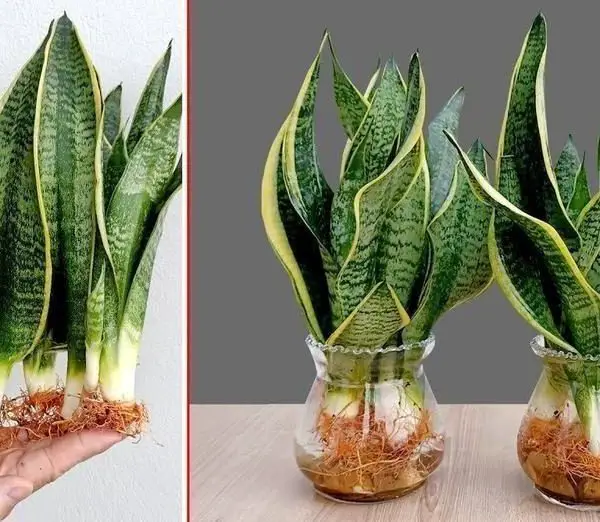
1. Sansevieria (Snake Plant)
The Sansevieria, also known as the Snake Plant, is one of the best plants for low light. It’s an attractive plant with long, upright leaves that don’t require much attention. Here’s why it’s ideal for dark spaces:
- No flowers: Although it doesn’t bloom, its unique, psychedelic appearance is striking enough to make it a great decorative piece.
- Drought-resistant: Sansevieria can go long periods without water and prefers dry soil.
- Air-purifying: It naturally purifies the air, making it a great addition to any home or office.
- No need for humidity: This plant thrives even in dry air, so you don’t need a dehumidifier to help it grow.
2. Asplenium (Bird’s Nest Fern)
Another fantastic choice for low light is the Asplenium, or Bird’s Nest Fern. Found in nature beneath trees in shaded areas, this plant doesn’t need direct sunlight to survive. Here’s what you should know:
- Prefers indirect light: Keep it away from direct sunlight, which can harm its leaves.
- Watering: It’s best to water it with demineralized water to avoid salt buildup.
- Sensitive to heat: Avoid placing the Asplenium near heat sources or drafts, as it can damage the plant.
3. Maranta (Prayer Plant)
The Maranta, also known as the Prayer Plant, is perfect for brightening up darker areas of your home. This plant is native to the rainforest, where it thrives in shaded conditions. Here’s why it’s an excellent option for dark spaces:
- Beautiful leaves: The large, colorful leaves are visually striking and can add a splash of color to any room.
- Needs space: As a fast-growing plant, the Maranta can fill up empty spaces quickly and beautifully.
- Low light: It grows best in low light and requires little direct sunlight.
- Pruning: Regular pruning is recommended, especially in spring, to encourage healthy growth and prevent it from becoming too leggy.
4. Zamioculcas (ZZ Plant)
For those who need a larger plant that doesn’t demand a lot of care, the Zamioculcas (also known as the ZZ Plant or Zanzibar Gem) is a great option. Native to Tanzania, this plant is drought-tolerant and can thrive in very low light. Here’s why it’s ideal for busy or beginner plant owners:
- Minimal watering: The ZZ plant requires very little water and can go weeks without a drink.
- Adaptable to low light: It’s perfect for dark corners and can grow in low-light environments without issue.
- Tuberous roots: This plant has underground tubers that store water, allowing it to survive in dry conditions.
- Easy to repot: When repotting, it’s important to handle its tubers with care, but they’re relatively easy to manage.
Tips for Caring for Plants in the Dark

While these plants are great for dark spaces, a little care can go a long way:
- Water sparingly: These plants don’t need frequent watering, but make sure their soil drains well to prevent root rot.
- Use liquid fertilizer: Regularly feed your plants with liquid fertilizer to keep them healthy and thriving.
- Avoid excess moisture: Be careful not to overwater, as stagnant water can lead to mold or fungal problems.
Conclusion
If you’re struggling to find the right houseplants for dark spaces, there are several great options that not only thrive in low-light environments but are also easy to maintain. Plants like the Sansevieria, Asplenium, Maranta, and Zamioculcas are perfect for adding life and color to your home without requiring constant care. With just a little attention, these plants will thrive and transform even the darkest corners of your home into beautiful, vibrant spaces.