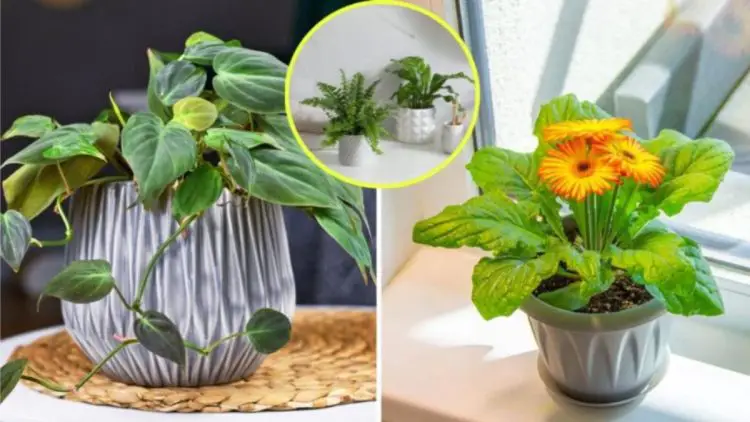
Reducing humidity in your home using certain plant species is a natural and effective way to improve indoor air quality. Here are some houseplants known for their ability to absorb moisture:
- Aloe Vera (Aloe barbadensis): Aloe Vera is not only famous for its therapeutic properties but also for its ability to combat humidity. It can adapt well to various rooms in the house and requires minimal maintenance.
- Bamboo (Bambusoideae): Bamboo is a versatile plant that can help reduce humidity levels in the home. It thrives in low light conditions and is suitable for rooms with little natural sunlight.
- Philodendron (Philodendron spp.): Philodendrons are easy-to-grow plants that require moderate to bright indirect light. They can effectively absorb excess moisture from the air while adding a touch of greenery to your space.
- Ferns (Various species): Ferns are known for their ability to thrive in high humidity environments. They can absorb moisture through their leaves and are perfect for rooms with low light conditions.
- Gerbera Daisy (Gerbera jamesonii): Gerbera daisies not only add vibrant colors to your indoor space but also help reduce humidity levels. They prefer warmer temperatures and bright, indirect sunlight.
- Sansevieria (Sansevieria spp.): Also known as Snake Plant or Mother-in-law’s Tongue, Sansevieria is a hardy plant that can tolerate low light conditions and low humidity levels. It is effective at purifying the air and reducing moisture.
By incorporating these plants into your indoor environment, you can naturally lower humidity levels and create a healthier living space. Additionally, proper ventilation and using a dehumidifier can further help control humidity levels in your home.
Show Comments


