Hardening seedlings is indeed crucial for ensuring their successful adaptation to the outdoor environment and promoting healthy growth.
Here’s how to do it correctly:
When to Start Hardening: Begin the hardening process about 14-16 days before you plan to transplant the seedlings into the open ground. The timing may vary depending on the type of crop and local climate conditions.
How to Properly Harden Seedlings:
- Gradual Increase in Outdoor Time:
- Start by opening the windows in the room where the seedlings are kept for about 2 hours during the first 2-3 days.
- Gradually increase the exposure time to outdoor conditions, extending it to 6-8 hours over the following days.
- Two days before transplanting, allow the seedlings to remain outdoors overnight.
- Protection from the Sun:
- During the initial 3-4 days of hardening, place the seedlings in a shaded area to protect them from direct sunlight.
- Gradually transition the seedlings to partial shade over the next few days.
- Only towards the end of the hardening process, expose the seedlings to direct sunlight.
- Reducing Watering:
- During the first week of hardening, continue watering the seedlings as usual to prevent them from drying out.
- In the second week, gradually reduce the frequency of watering by half to encourage the development of stronger roots.
- Feeding:
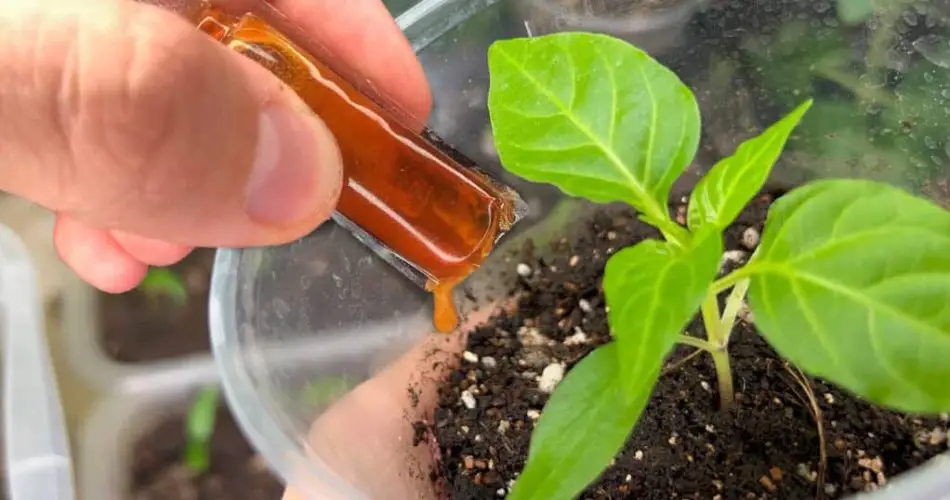
- About 5 days before transplanting, apply a universal mineral fertilizer to provide the seedlings with essential nutrients for their transition to the outdoor environment.
Important Points:
- Limit the hardening period to no more than 2 weeks to avoid stunting the growth of the seedlings.
- If there’s a risk of night frosts, protect the seedlings by covering them with non-woven covering material such as spunbond or agrofiber. Avoid using polyethylene film for shelter.
- Monitor the seedlings closely during the hardening process for any signs of stress or damage.
By following these guidelines, you can ensure that your seedlings are properly acclimated to outdoor conditions, resulting in healthier and more resilient plants that are better equipped to thrive in the garden.
Show Comments