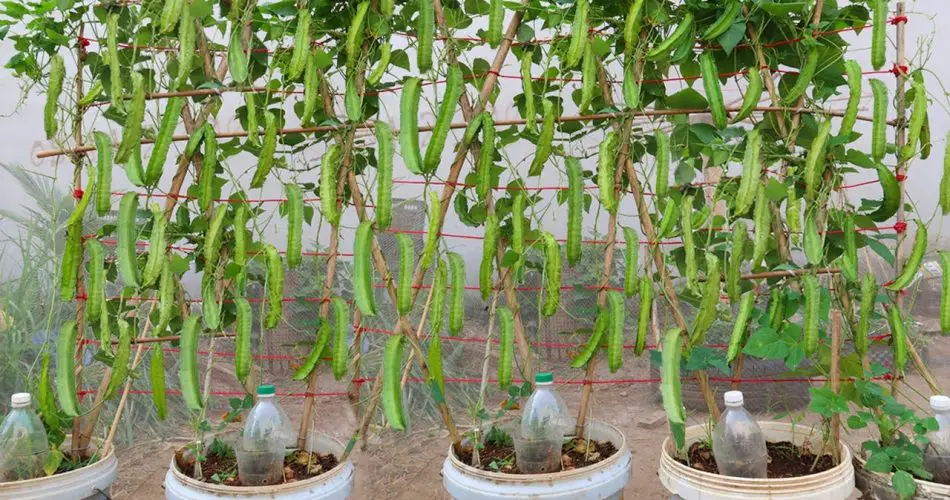
Cultivating Dragon Beans: A Delightful Addition to Your Family Garden
Introduction:
If you’re on the lookout for a unique and delicious addition to your family garden, look no further than dragon beans. Also known as winged beans, these vibrant and nutritious legumes not only offer a visual spectacle with their distinctive winged pods but also bring a delightful flavor to your table. Have you ever tried growing dragon beans? If not, here’s a brief guide on cultivating these beans for a tasty and wholesome family treat.
- Choosing Dragon Bean Varieties: Dragon beans come in different varieties, each with its own unique characteristics. The most common type is the Psophocarpus tetragonolobus, known for its winged pods. Select a variety that suits your taste preferences and growing conditions.
- Selecting the Right Growing Area: Dragon beans thrive in warm, tropical climates, making them an excellent choice for regions with consistent sunlight and moderate temperatures. Choose a location in your garden that receives full sun for at least 6-8 hours a day.
- Preparing Well-Draining Soil: Dragon beans prefer well-draining soil rich in organic matter. Ensure good aeration by adding compost or well-rotted manure to the soil before planting. A slightly acidic to neutral pH range is ideal.
- Sowing Dragon Bean Seeds: Dragon beans are typically grown from seeds. Plant the seeds directly in the soil or start them indoors before transplanting. Sow the seeds about 1-2 inches deep, and provide ample spacing between plants to allow for proper growth.
- Watering Routine: Keep the soil consistently moist but not waterlogged. Dragon beans appreciate regular watering, especially during dry spells. Mulching can help retain soil moisture and suppress weeds.
- Providing Support for Vining Growth: Dragon beans are climbing plants that benefit from vertical support. Install stakes, trellises, or bamboo poles to help the vines climb and maximize space utilization in your garden.
- Fertilizing: Apply a balanced fertilizer or compost to nourish the plants throughout the growing season. Dragon beans are relatively low-maintenance, but a nutrient boost can enhance their overall productivity.
- Harvesting Dragon Beans: Dragon beans are ready for harvest when the pods are young and tender, typically around 12-18 inches in length. Regular harvesting encourages the plant to produce more pods, ensuring a continuous supply for your family.
- Enjoying the Culinary Delights: Dragon beans are not only visually appealing but also delicious. Incorporate them into various dishes, from stir-fries to salads, to savor their unique flavor and nutritional benefits.
Conclusion:
Growing dragon beans in your family garden is a delightful experience that brings both visual appeal and culinary satisfaction. Whether you’re a seasoned gardener or a novice, cultivating these beans is relatively straightforward and rewarding. Give dragon beans a try, and you’ll soon find yourself enjoying the fresh, crisp pods that this unique legume has to offer.


