Sack Gardening Magic: Growing Plentiful Eggplants for the Family
Introduction:
For families looking to enhance their home-grown produce without the constraints of a traditional garden, the use of sacks can be a game-changer. This innovative approach proves particularly successful when cultivating eggplants, yielding numerous large and flavorful fruits. Let’s explore the simple yet effective method of growing eggplants in sacks, offering a practical solution for space-limited households.
Materials Needed:
- Sacks (large and sturdy): Select sacks made of durable material, ensuring they can hold the weight of the growing eggplants while allowing proper drainage.
- Potting Soil: Opt for high-quality potting soil enriched with organic matter for optimal eggplant growth.
- Eggplant Seeds or Seedlings: Acquire healthy eggplant seeds or young seedlings from a reliable source to kickstart your sack garden.
- Watering Can or Hose: Ensure consistent moisture by having a watering can or hose readily available.
- Fertilizer (optional): While not mandatory, incorporating a balanced fertilizer can boost the eggplants’ growth and productivity.
Steps to Growing Eggplants in Sacks:
- Prepare the Sacks: Fill the sacks with potting soil, leaving a few inches at the top to prevent spillage. Ensure that the sacks have drainage holes to avoid waterlogging.
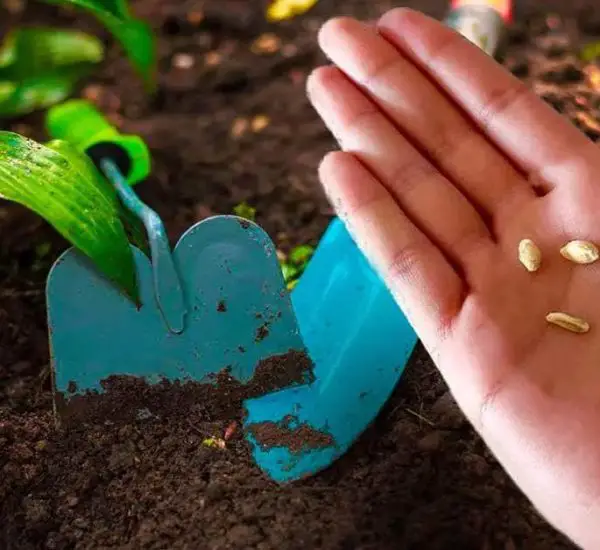
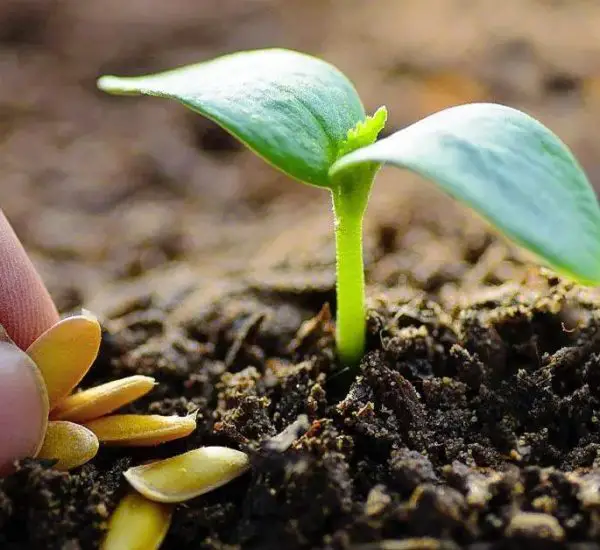
- Plant the Eggplants: Plant the eggplant seeds or seedlings in the center of each sack. Follow recommended spacing guidelines to allow sufficient room for growth.
- Position in Sunlight: Place the sacks in a sunny location. Eggplants thrive in full sunlight, so choose a spot that receives at least 6-8 hours of sunlight each day.
- Watering Routine: Maintain a consistent watering routine, keeping the soil evenly moist. Eggplants prefer well-drained soil, so avoid overwatering to prevent root rot.
- Fertilize if Necessary: Depending on the quality of your soil, consider fertilizing the eggplants with a balanced fertilizer during the growing season. This can enhance the nutrient content in the soil.
- Support for Heavy Fruits: As the eggplants grow and begin to produce fruit, provide support to the plants. You can use stakes or cages to prevent the branches from bending under the weight of the mature eggplants.
- Harvesting: Harvest the eggplants when they reach their mature size and have a glossy appearance. Regular harvesting encourages continuous fruit production.
Benefits of Growing Eggplants in Sacks:
- Space-Efficient: Ideal for families with limited space, sack gardening allows you to cultivate eggplants on balconies, patios, or small outdoor areas.
- Portable and Versatile: Sacks are portable, making it easy to move the eggplants around to find the best sunlight conditions or protect them from adverse weather.
- Economical: Sack gardening is a cost-effective alternative to traditional gardening methods, making it accessible to a wide range of households.
Conclusion:
Embark on a sack gardening adventure and witness the magic of cultivating large and abundant eggplants for your family. This practical and space-efficient method brings the joy of homegrown produce to any household, offering a sustainable and rewarding gardening experience. Try it out, and you might find yourself with a flourishing sack garden brimming with delicious eggplants throughout the growing season.