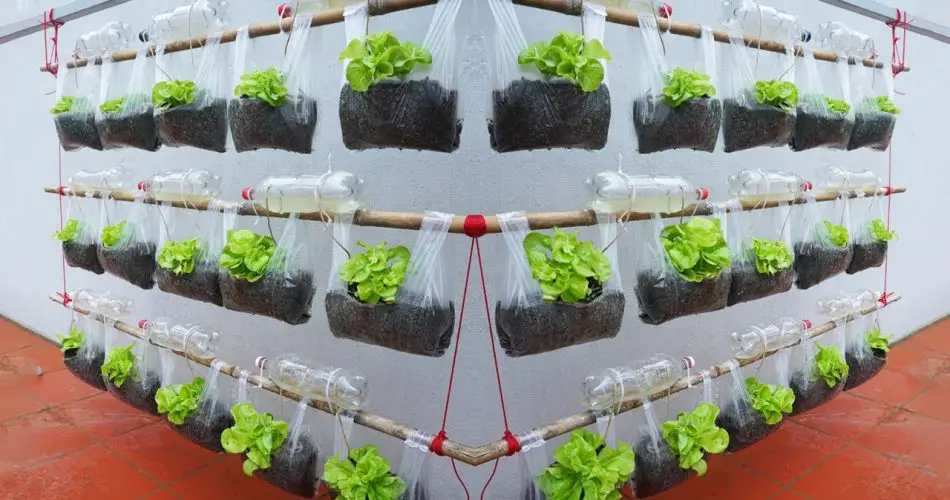
“Salad on the Go: Growing Fresh Greens in Plastic Bags for Quick and Delicious Harvests”
Introduction: Imagine having a vibrant salad garden right at your fingertips, ready for a quick harvest whenever your taste buds crave freshness. The ingenious idea of growing salad in plastic bags at home is not only convenient but also surprisingly simple. Let’s explore this innovative gardening method that allows you to enjoy delicious, homegrown salads with minimal effort.
Materials Needed:
- Plastic Bags: Use large, sturdy plastic bags with good drainage capabilities. Heavy-duty trash bags or reusable grow bags work well for this purpose.
- Potting Mix: Choose a high-quality potting mix that provides the necessary nutrients for your salad greens. Ensure the mix is well-draining to prevent waterlogged roots.
- Salad Seeds or Seedlings: Select a variety of salad greens such as lettuce, spinach, arugula, or kale. You can either use seeds for direct sowing or opt for seedlings for a quicker start.
- Watering Can or Spray Bottle: Maintain consistent moisture by watering your salad bags regularly. A watering can or a spray bottle can be used to gently water the growing medium.
- Sunlight: Place the plastic bags in a location that receives ample sunlight. Salad greens generally thrive in partial to full sun, depending on the specific varieties you choose.
Steps to Grow Salad in Plastic Bags:
- Prepare the Plastic Bags: Cut several drainage holes in the bottom of each plastic bag to prevent water from pooling. Fill the bags with the potting mix, leaving some space at the top for planting.
- Sow Seeds or Transplant Seedlings: Either sow salad seeds directly into the soil or transplant young seedlings into the plastic bags. Follow the recommended spacing guidelines for each type of green.
- Water Thoroughly: After planting, water the soil thoroughly to ensure proper hydration. Keep the soil consistently moist throughout the growing season.
- Place in Sunlight: Position the plastic bags in a sunny location, allowing your salad greens to receive the sunlight they need for robust growth. If growing indoors, place the bags near a sunny window.
- Regular Maintenance: Check the soil moisture regularly and water when needed. Fertilize with a balanced liquid fertilizer every few weeks to provide essential nutrients for healthy plant development.
- Harvesting: Salad greens are typically ready for harvest within a few weeks to a couple of months, depending on the varieties. Harvest leaves as needed by cutting them with clean scissors or harvesting knife, allowing the plants to continue producing.
Benefits of Growing Salad in Plastic Bags:
- Space Efficiency: This method is ideal for those with limited space, making it suitable for balconies, patios, or small outdoor areas.
- Quick Harvests: With salad greens grown in plastic bags, you can enjoy quick and frequent harvests, ensuring a continuous supply of fresh, homegrown salads.
- Minimal Mess and Maintenance: Plastic bags contain the soil and prevent weeds, making this method relatively mess-free. It’s also easy to move the bags around for optimal sunlight exposure.
Conclusion: Growing salad in plastic bags at home is a brilliant and accessible way to enjoy fresh, crisp greens throughout the year. Whether you’re a gardening novice or a seasoned enthusiast, this method offers a convenient solution for those looking to cultivate their own salad garden with minimal effort. With just a few simple materials and a sunny spot, you can embark on a delicious journey of growing, harvesting, and savoring your homegrown salads.


