Garden in Autumn
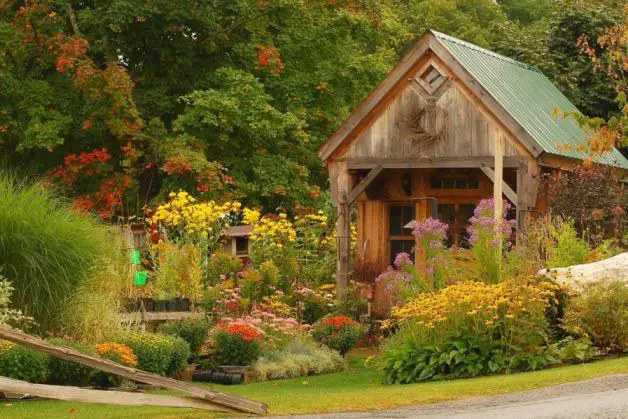
Preparing a flower garden for autumn might seem like an odd idea to some, especially when in many regions of Italy, the temperatures are still above 25°C, and people are enjoying the last moments of summer. However, this is just the final stretch of summer, and soon autumn will arrive with its yellow and red leaves, as well as melancholic afternoons. To ensure your garden doesn’t lose its colors and vitality, it’s best to start preparing now. Here are some helpful tips.
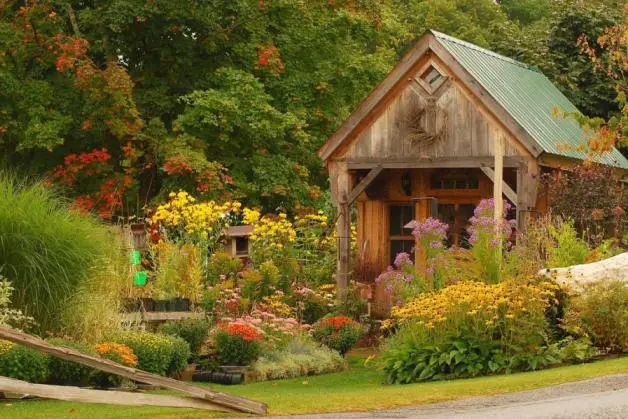
What to Do with Fallen Leaves
Don’t rush to remove all the leaves that have fallen to the ground. A layer of branches or leaves can serve as insulation, protecting the roots from the cold and encouraging the growth of insects, which in turn become food for birds. This natural cycle keeps the garden lively and vibrant.
Natural Ways to Control Insects
Instead of using chemicals to eliminate insects, try a natural remedy. Placing a few cloves of garlic at the base of your plants can keep pests away. To combat snails, which thrive after autumn rains, try placing an empty grapefruit peel near plants. This simple trick can help keep your garden healthy and pest-free without the use of harmful substances.
Avoid Water Stagnation
To properly prepare and maintain a flower garden in autumn, it’s important to prevent water stagnation, which can be harmful, especially as the temperature drops. Stagnant water can cause plants to die. Also, plants in the ground are generally more resistant to freezing temperatures than those in pots, so it’s best to plant them directly in the soil when possible.
Creating Natural Fertilizer
Autumn is also a great time to collect dead leaves (but not hardened ones). These can be placed in black plastic bags with small holes, where they will decompose and turn into natural fertilizer within six months. This process can help nourish your garden for the following season.
Balcony and Terrace Decoration
Don’t forget to maintain the decorative aspect of your terrace or balcony during the autumn and winter months. To add color and keep the space lively, consider planting violets. They come in bright, variegated shades and are particularly resistant to the cold. Pairing them with small-leaved ivy creates a beautiful, full display.
Other great choices include asters, which add vibrant color and tolerate low temperatures but don’t require much water. Also, consider berry bushes with their metallic purple berries, which are both delicate and bright.
Preparing for Spring
Finally, your garden in autumn can also serve as the starting point for your spring flowers. This is the perfect time to plant snowdrop bulbs, which bloom early, as well as daffodils and tulips, ensuring a colorful garden as soon as spring arrives.
By following these simple tips, you can ensure your flower garden remains beautiful and vibrant throughout autumn and beyond.