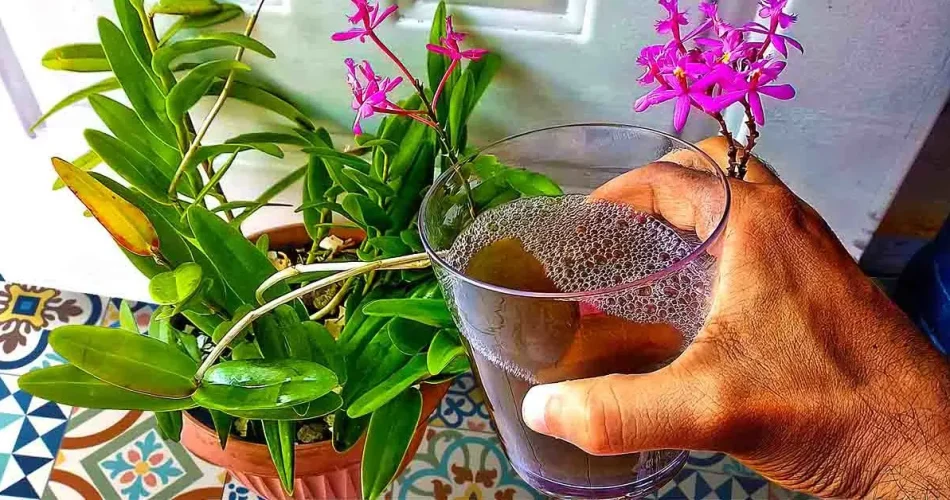
Orchids, with their elegant flowers and striking beauty, are beloved additions to any home. Among the many varieties, the Phalaenopsis orchid—commonly known as the “butterfly orchid”—is the most popular and easiest to grow indoors. These orchids thrive in temperatures around 20°C and can withstand heat during the summer months. Their flowers, ranging in colors from white, pink, and yellow to purple, violet, and even electric blue, are truly a sight to behold. But how can you ensure your orchid continues to thrive and bloom beautifully year-round?
In this article, we’ll explore the best natural fertilizers to encourage your orchid to bloom, based on expert advice from Romain Le Tallec, a florist in Lyon.
Banana Peel: A Natural Fertilizer for Orchids
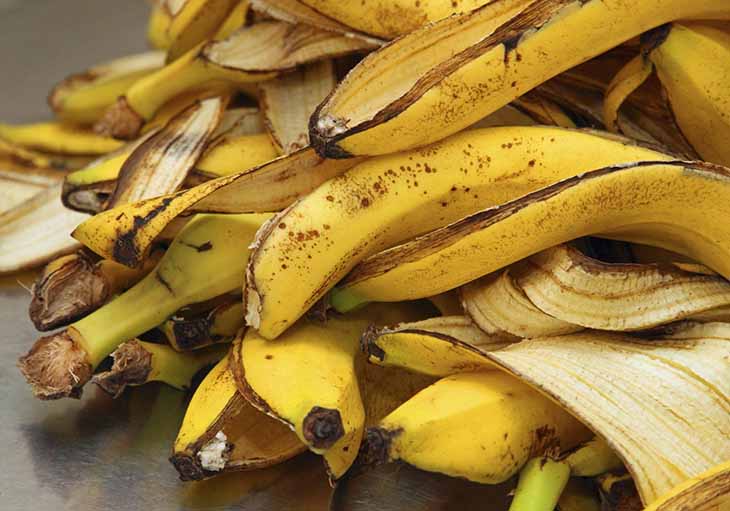
One of the best ways to boost your orchid’s flowering is by adding a natural fertilizer to its substrate. Banana peels are packed with vitamins B6 and C, and rich in potassium and magnesium, making them the perfect nutrient boost for your orchid.
How to Use:
- Wash a banana peel thoroughly and cut it into small pieces.
- Soak the pieces in 2 liters of water for 48 hours.
- Strain the mixture and use the liquid to water your orchid.
This nutrient-rich liquid will encourage your orchid to grow strong and bloom more abundantly.
Eggshells: A Rich Source of Calcium and Potassium
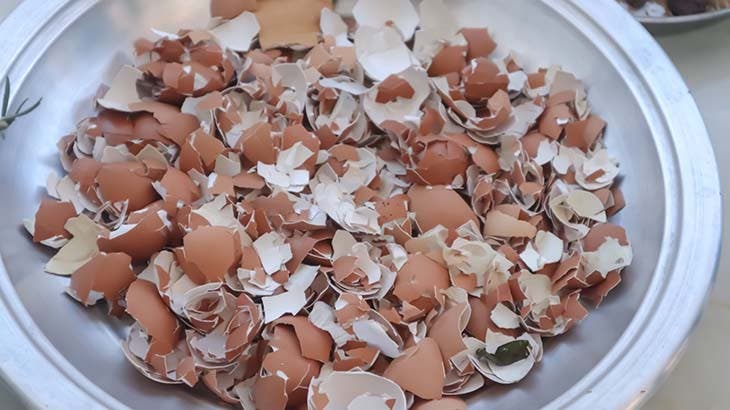
Eggshells are not just for keeping pests away from your plants—they also serve as a fantastic source of calcium and potassium, two essential nutrients that support orchid growth and flowering.
How to Use:
- Crush the eggshells into small pieces.
- Sprinkle them on the surface of the orchid’s soil.
The soil will absorb these nutrients, which will help nourish your orchid and stimulate flowering.
Using Fireplace Ashes to Promote Blooming
If you enjoy cozying up by the fireplace in the winter, don’t throw away your ashes! Fireplace ashes are rich in calcium, potassium, phosphorus, and trace elements—nutrients that orchids need for healthy growth and beautiful flowers.
How to Use:
- Add the ashes directly to the soil after watering your orchid.
- The ash will help promote blooming and also reduce insect activity around the plant.
Tip: Because ash is a little caustic, be sure to wear gloves when handling it.
Banana Tea: A Convenient and Effective Fertilizer
Banana peels can also be used to make a banana tea, which is another great way to fertilize your orchids. This method is simple and effective, providing your orchid with a boost of nutrients.
How to Make Banana Tea:
- Dry banana peels in the sun for 48 hours until they become harder.
- Blend the dried peels into a powder.
- Add 1 teaspoon of the banana powder to 200 ml of hot water, stir, and let it cool before using it to water your orchid.
This banana tea provides your orchid with vital nutrients and encourages healthy blooming.
Banana Powder: A Long-Term Fertilizer Solution
For a more long-lasting solution, you can make banana powder. After drying and crushing the banana peels, you can use this powder as a fertilizer for your orchids.
How to Make Banana Powder:
- Dry the banana peels in the sun and then place them in an oven at 70°C until completely dry.
- Crush the dried peels into powder and sprinkle it on the soil of your orchid.
This banana powder is a fantastic natural fertilizer that can be used to improve your orchid’s health and help it bloom.
Vegetable Cooking Water: An Unexpected Fertilizer
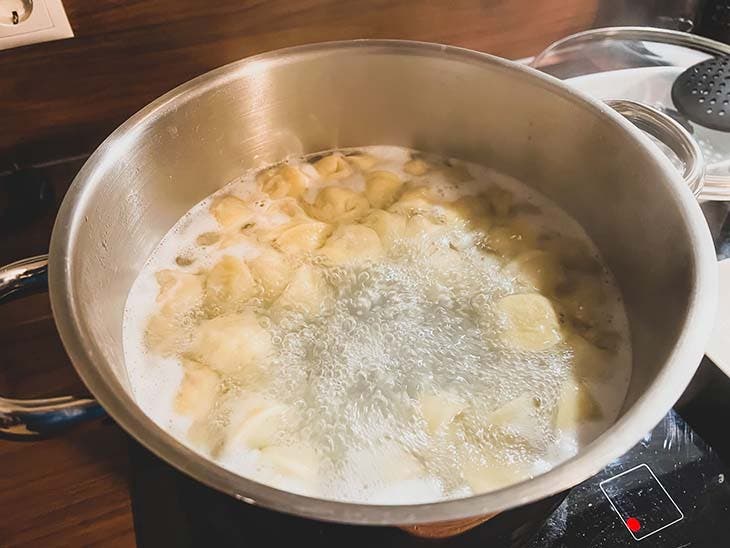
Another great fertilizer comes from an ingredient you likely use every day: vegetable cooking water. When you cook vegetables, many of their nutrients are released into the water, making it an excellent natural fertilizer for your plants.
How to Use:
- Save the cooking water from your vegetables (just make sure it’s not salted).
- Use this nutrient-rich water to water your orchid.
This simple yet effective solution can help nourish your orchid, making it healthier and more likely to bloom.
When to Use These Natural Fertilizers
While these natural fertilizers are effective, it’s important to use them sparingly to avoid overfeeding your orchid. During the winter months, fertilize your orchid once a month. Increase the frequency once new buds start to develop in the spring.
Why Your Orchid Isn’t Blooming Indoors
If your orchid’s leaves are thriving but it’s not producing flowers, it’s likely because the conditions aren’t ideal. Orchids need indirect light and humidity to bloom successfully. They should be kept in a warm, humid environment away from drafts. If your orchid isn’t blooming, try adjusting the light and temperature to create the perfect conditions for it to flower.
By following these expert tips and using natural fertilizers, you can give your orchids the care they need to flourish and bloom beautifully in your home.


