If your garden is overrun by mealybugs, there’s no need to reach for harsh chemicals. These small, parasitic insects can be controlled naturally with a few simple remedies. In this article, we’ll explore 5 practical solutions to help you eliminate mealybugs and protect your plants without harming the environment.
What Are Mealybugs?
Mealybugs are a common pest found in gardens and on indoor plants. They typically infest fruit trees such as lemon, apple, fig, and pear trees, as well as houseplants. These insects attach themselves to the stems and leaves, secreting a sticky, sweet substance called honeydew. This not only weakens your plants but also attracts fungi and spreads viruses.
Though these tiny insects may seem difficult to remove, they can be eradicated with the right treatment. Let’s dive into some natural, effective methods to get rid of mealybugs for good!
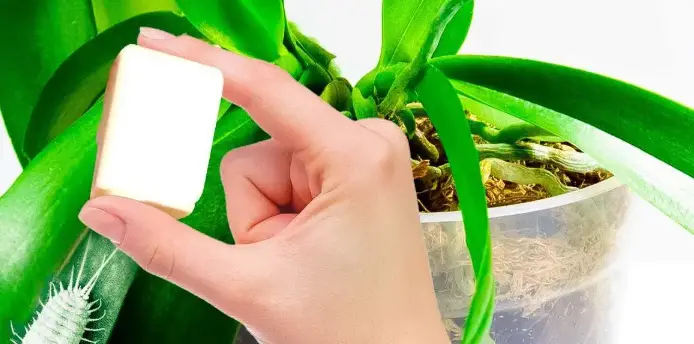
1. Castile Soap and Neem Oil
Both Castile soap and Neem oil are popular, eco-friendly options for fighting mealybugs. Neem oil, derived from the seeds of the neem tree, works by blocking the respiratory system of these pests, while Castile soap helps suffocate them.
Method 1:
- Mix 2 teaspoons of liquid soap (Castile or potassium soap) with 2 tablespoons of Neem oil in 3.5 liters of warm water.
- Shake the mixture in a spray bottle and apply it directly to the infested plants.
- This natural solution will suffocate the mealybugs and help keep them away!
Method 2:
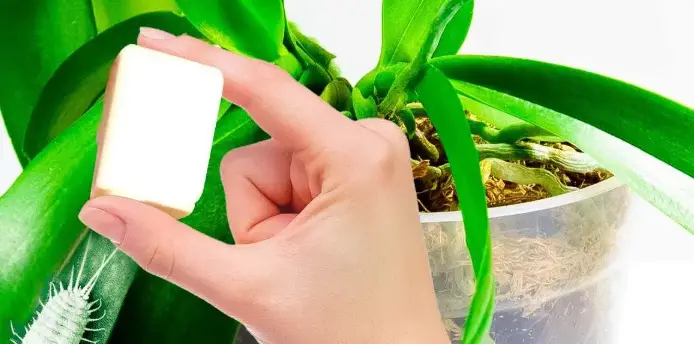
- Dissolve 50g of Marseille soap or Castile soap flakes in 350 ml of hot water.
- Once the soap is dissolved, soak a sponge or cloth in the soapy solution and wipe it over the leaves of the infected plant.
2. Garlic and Vegetable Oil-Based Liquid Soap
The pungent smell of garlic can repel many pests, including mealybugs. Combined with vegetable oil-based liquid soap, this natural remedy is effective in eliminating pests and preventing future infestations.
Ingredients:
- 1 liter of water
- 4-5 cloves of finely grated garlic
- 1 tablespoon of biodegradable liquid soap (Marseille, Castile, or coconut oil-based soap)
How to do it:
- Use an old toothbrush or a strong jet of water to scrub the stems of the infested plants.
- Spray the garlic-soap mixture onto the leaves and stems.
- Repeat the treatment every 4 days to keep mealybugs at bay.
3. Natural Diatomaceous Earth
Diatomaceous earth is a powerful yet non-toxic natural pesticide. Its abrasive properties dehydrate mealybugs, causing them to die. It’s safe for both your plants and the environment!
How to use it:
- Sprinkle diatomaceous earth directly onto the mealybug-infested plants.
- Alternatively, mix it with water to create a spray solution.
- For preventative measures, apply it around the base of your plants.
4. Black Soap and Oils
Another natural treatment involves using black soap, which can be combined with oils to help clean and protect your plants.
Ingredients:
- 1 teaspoon olive oil or vegetable oil
- 1 teaspoon black soap
- 1 liter of water
How to do it:
- Combine the ingredients in a spray bottle and mix thoroughly.
- Spray the solution onto the affected plants and repeat this process after one week.
- This solution is also great for cleaning orchids and other houseplants.
5. Rubbing Alcohol
Rubbing alcohol can be effective in killing mealybugs. It repels them and helps slow their spread.
How to do it:
- Mix 1 part rubbing alcohol with 7 parts water in a spray bottle.
- Soak a clean cloth in this solution and gently rub the leaves and stems of the plant.
- Leave it on for a few minutes before rinsing the plant with clean water.
Warning: Use this solution sparingly, as overuse can harm the plant’s growth.
Conclusion
With these natural treatments, you can keep your plants mealybug-free without resorting to harmful chemicals. Whether you choose Castile soap and Neem oil, garlic and soap, diatomaceous earth, or rubbing alcohol, each solution will help protect your plants and eliminate mealybugs efficiently. The key is to act quickly and treat infested plants promptly to prevent the pests from spreading to others in your garden or home.
Give these remedies a try, and enjoy a healthy, pest-free garden!