Unraveling the Mystery: The Significance of an Orange-Clad Tree
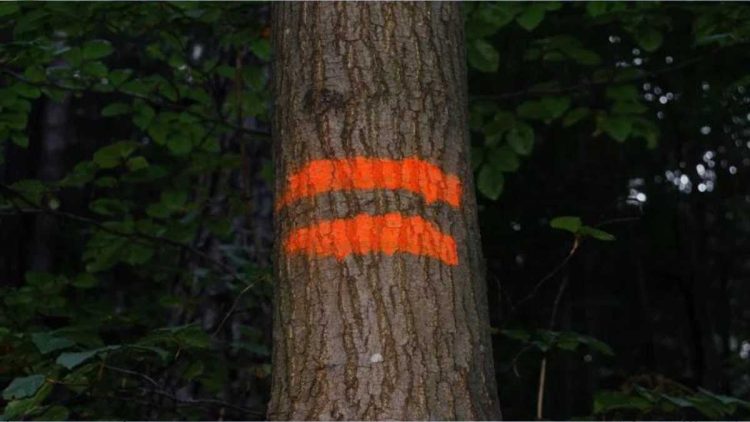
Venturing into a forest can be a perplexing experience, especially for those unaccustomed to the subtle language etched in hues on tree barks. Encountering a tree adorned in orange paint may raise perplexing questions about its purpose and significance. However, unlocking the secrets behind these vibrant markings can transform a bewildering forest into an enlightening guide.
Decoding the Orange Canvas: Insights into Forest Communication
In various regions or states, a solitary horizontal orange line or dot, often adorning the base of a tree, conveys a specific message. This vibrant mark signifies that the tree in question is earmarked for harvest or should be felled, aligning with sustainable forestry practices. Foresters, loggers, and land managers interpret this hue as a directive, ensuring a selective approach to tree harvesting, preserving the delicate balance of the forest ecosystem.
Understanding the Orange Palette: Beyond Harvest Signals
An orange or pink marking on a tree can also serve as a warning, signaling observers to refrain from interfering with the tree’s natural state. Notably, two orange or red horizontal lines may delineate the limit of the harvest zone, providing a visual boundary for forestry activities. It’s crucial to acknowledge that color choices and markings can vary, introducing nuances to the communication system. For instance, in Butte County, California, discovering a tree adorned with “two parallel orange lines and an orange dot at the base” signifies its impending demise.
Diversity in Tree Markings: A Kaleidoscope of Communication
The forest canvas is adorned with an array of colors, each imparting a unique message. Blue markings, often guiding hikers along designated trails, may also signal a tree’s destiny for felling. In contrast, a horizontal blue line or dot might communicate that the tree should remain untouched. Red marks may indicate Forest Service ownership, prompting compliance with regulations. The diversity in markings emphasizes their adaptability, catering to the specific needs and practices of distinct regions and stakeholders.
Beyond the Woods: Urban Tree Markings and Their Purpose
The language of tree markings extends beyond forest landscapes, making its way into urban and suburban settings. In these environments, colored dots, bands, or lines communicate valuable information. These markings may denote trees requiring maintenance, hold historical significance, signal damage, or indicate planned removal. This intricate coding system ensures effective urban tree management and facilitates informed decision-making.
The Essence of Tree Marking Systems: A Symphony of Collaboration
The genesis of these marking systems lies in the pursuit of effective forest management. Landowners, logging companies, and agencies like the Forest Service converge to orchestrate sustainable forestry practices. The coded language of markings fosters seamless communication among stakeholders, facilitating harmonious coexistence between conservation, harvesting, and recreational activities.
The Transformed Forest Narrative
Cracking the code behind orange-painted trees unravels a tale of collaborative efforts dedicated to maintaining the delicate equilibrium between humanity and nature. These colorful markings on trees speak volumes about the shared responsibility of preserving our nation’s forests, ensuring resilience, and promoting sustainable coexistence. Understanding this intricate language turns the once confusing forest into a harmonious tapestry of interconnected stories, echoing the essence of our relationship with nature.