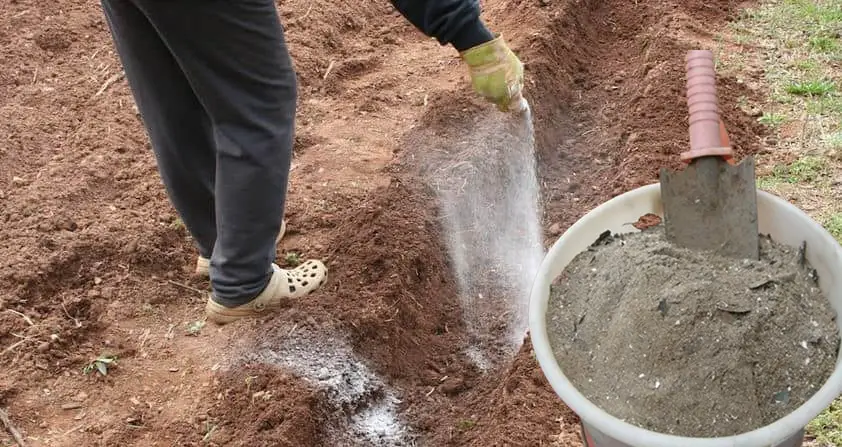
Avoiding common mistakes when using ash in the garden is crucial to ensure the health of plants and the soil.
Here are some key mistakes to avoid:
- Depreciating Ash Composition: Different types of ash have varying compositions based on what was burned. Understanding the nutrient composition of the ash is essential to avoid over or under-application of nutrients, which can harm plant growth. Additionally, not all soils require acidity correction with ash, so it’s important to assess soil pH before application.
- Underestimating Required Amount of Ash: Different plants have varying tolerance to mineral salts in the soil. Applying too much ash can lead to salt buildup, which may harm sensitive plants. It’s important to apply ash at recommended rates and to avoid mixing it with certain fertilizers to prevent nutrient imbalance.
- Unavailability of Calcium and Proper Extraction Methods: While ash contains calcium, it may not always be readily available to plants. Some gardeners neutralize ash with vinegar to convert calcium carbonate into soluble calcium acetate. However, there’s debate over the effectiveness of this method and concerns about potential leaching of nutrients. It may be better to apply ash for potassium and address calcium deficiencies separately.
By avoiding these common mistakes and following best practices for using ash in the garden, you can maximize its benefits while safeguarding plant and soil health.
Show Comments