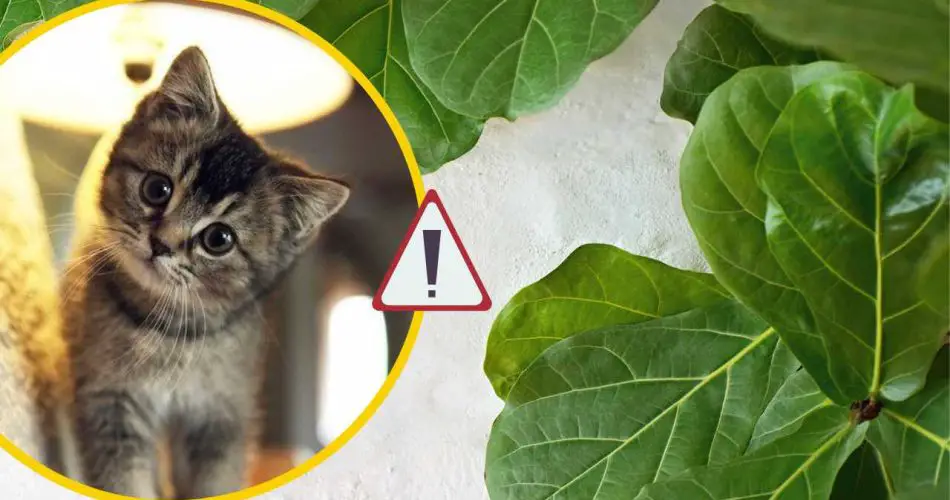
If you have cats at home, it’s crucial to be aware of which plants are toxic to them. Here’s a guide to help you avoid placing harmful plants indoors and what to do if you suspect your cat has ingested a toxic plant.

Signs of Toxic Plant Ingestion in Cats
When a cat ingests a toxic plant, the symptoms are often linked to irritation or inflammation. These symptoms can vary depending on which organ is affected. Here are some signs to watch for:
- Difficulty Breathing: If the airways are affected, your cat may struggle to breathe.
- Drooling or Difficulty Swallowing: These symptoms can occur if the mouth, throat, or esophagus is irritated.
- Vomiting: This may happen if the toxic substance has affected the stomach or intestines.
- Diarrhea: This indicates that the intestines or colon might be damaged.
- Excessive Thirst and Urination: These symptoms suggest possible kidney damage.
- Irregular Heartbeat: Fast, slow, or irregular heartbeats can occur if the plant affects the heart.
What to Do If Your Cat Has Ingested a Toxic Plant

If you suspect that your cat has eaten a toxic plant, the first step is to remove any plant residue from its fur, face, and skin. Next, contact your veterinarian immediately. Identifying the plant can help the vet provide the most effective treatment. If possible, take a sample of the plant or your cat’s vomit with you to the vet.
Plants That Are Toxic to Cats

Here is a list of plants that are harmful to cats and should be avoided in your home:
- Dieffenbachia: This plant can cause severe irritation in the mouth and throat.
- Lilacs: While beautiful, lilacs can lead to respiratory and gastrointestinal issues in cats.
- Ficus: Similar to Dieffenbachia, Ficus can cause oral irritation and other symptoms.
- Oleander: This plant can cause symptoms similar to lilacs, plus additional issues like weakness.
- Water Lettuce: Known for causing irritation in the mouth.
- Alocasia: Can cause discomfort in the mouth and teeth.
- Caladium: Another plant that irritates the mouth and can be harmful.
- Cyclamen: This plant can be toxic if ingested.
- Iris: Can lead to gastrointestinal distress and other issues.
- Succulents (e.g., Aloe Vera and Cactus): Some succulents, including Aloe Vera and various cacti, are toxic to cats.
Prevention and Monitoring
While many toxic plants are not necessarily fatal if ingested, prompt action is crucial. Always monitor your cat for any unusual behavior and keep potentially harmful plants out of reach. Regular vigilance can help ensure your pet remains safe and healthy.
By following these guidelines, you can create a safer environment for your feline friends and avoid the risks associated with toxic houseplants.