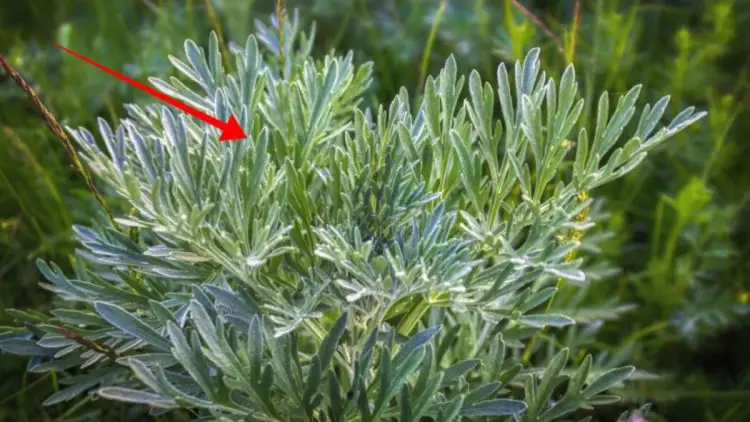
Artemisia, commonly known as mugwort, is indeed a fascinating and versatile plant with a rich history steeped in magic and folklore. Here’s a guide on how to cultivate and care for this magical perennial:
- Choosing the Right Location: Mugwort thrives in sunny to partially shaded areas. Ensure the chosen location is protected from strong winds and drafts, as they can damage the delicate foliage.
- Soil Preparation: Mugwort prefers well-drained soil that is rich in organic matter. Ensure the soil is loose and well-aerated to prevent waterlogging, as mugwort is susceptible to root rot in waterlogged conditions.
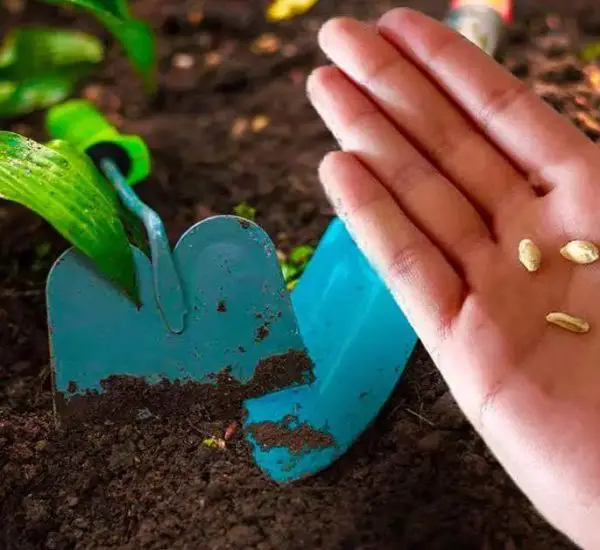
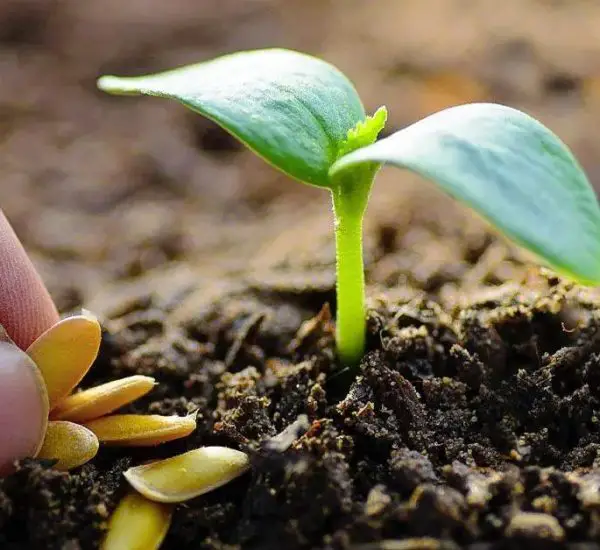
- Sowing: Sow mugwort seeds in spring, either directly into the prepared garden bed or in pots if you prefer container gardening. Plant the seeds at a depth of about 1/4 inch and space them adequately to allow for proper growth.
- Watering: Keep the soil consistently moist but not waterlogged. Avoid overwatering, as mugwort is sensitive to excessive moisture. Water deeply and allow the soil to dry slightly between waterings.
- Fertilization: Apply organic fertilizer every 15 days to promote healthy growth and development. Organic fertilizers are preferred as they provide essential nutrients without the risk of chemical buildup in the soil.
- Harvesting: Harvest mugwort leaves in summer when the plant is well-established and the leaves are fully developed. Use sharp scissors or pruning shears to cut the leaves, leaving some foliage behind for continued growth.
- Drying: Dry the harvested mugwort leaves in a cool, dry place away from direct sunlight. Properly dried leaves can be stored for later use in herbal remedies and teas.
- Medicinal Uses: Mugwort leaves have various medicinal properties and are commonly used to prepare infusions and herbal teas. They are believed to have benefits for digestive health, menstrual regulation, and relaxation.
- Magical and Ritual Use: Mugwort has a long history of use in magical and ritual practices. It is often burned as incense or placed under pillows to ward off negative energies and promote vivid dreams.
- Maintenance: Regularly inspect the plant for signs of pests and diseases, such as aphids or powdery mildew. Address any issues promptly to ensure the continued health of the plant.
By following these tips for cultivation and care, you can enjoy the beauty and benefits of mugwort in your garden while honoring its rich cultural and magical significance.
Show Comments