“From Seed to Sweetness: Tips for Growing Melons at Home in Just 90 Days”
Introduction:
Embarking on a journey to grow your own melons at home can be both rewarding and delicious. With the right tips and a little patience, you can savor the sweet taste of success in just 90 days. In this article, we’ll guide you through the process of growing and harvesting melons, offering valuable insights to ensure a fruitful and flavorful homegrown experience.
- Choose the Right Variety: Select a melon variety suitable for your climate and available growing space. Popular choices for home gardens include cantaloupe, honeydew, and watermelon. Check the seed packet or plant label for specific information on the variety’s growing requirements.
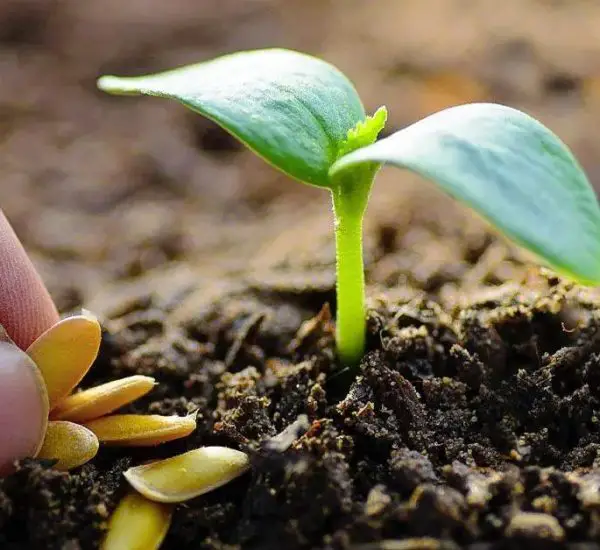
- Start Indoors or Direct Sow: Melons can be started indoors in seed trays or directly sown into the ground, depending on your preference and local climate. Starting seeds indoors allows for earlier planting, giving you a head start on the growing season.
- Provide Adequate Sunlight: Melons thrive in full sunlight. Choose a sunny location in your garden that receives at least 6 to 8 hours of direct sunlight daily. Ensure the soil is well-draining to prevent waterlogged conditions.
- Amend the Soil: Melons prefer rich, loamy soil. Incorporate well-rotted compost or organic matter into the soil before planting to enhance fertility. A slightly acidic to neutral soil pH is ideal for melon cultivation.
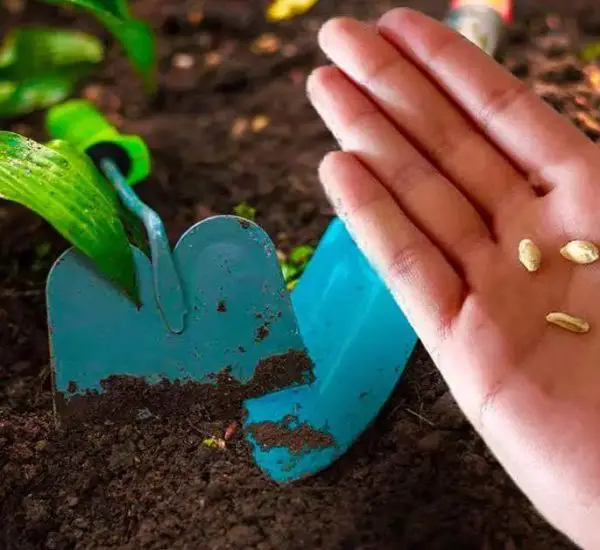
- Planting and Spacing: Plant melon seeds or seedlings after the last frost date. Allow sufficient spacing between plants, typically 2 to 4 feet apart, to ensure proper air circulation and minimize the risk of diseases.
- Mulch for Moisture Retention: Apply a layer of organic mulch around the melon plants to retain soil moisture, suppress weeds, and maintain consistent soil temperature. Mulching also helps prevent soil splashing onto the leaves, reducing the risk of diseases.
- Watering: Melons require regular watering, especially during dry periods. Provide deep and consistent watering, ensuring the soil remains consistently moist but not waterlogged. Water at the base of the plants to avoid wetting the foliage.
- Feeding: Fertilize melon plants with a balanced, all-purpose fertilizer according to the recommended schedule on the product label. Too much nitrogen can result in lush foliage at the expense of fruit development.
- Supporting Vines: As melon vines grow, consider providing support to prevent the fruit from sitting directly on the soil. This can be achieved using trellises or slings made from old pantyhose or fabric.
- Harvesting at the Right Time: Most melon varieties are ready for harvest around 90 days after planting. Pay attention to the specific characteristics of each variety, such as color, aroma, and the texture of the stem near the fruit. Harvest melons when they are fully ripe for the best flavor.
Conclusion:
Growing melons at home is a delightful and achievable endeavor with the right tips and a bit of dedication. Follow these guidelines, and in just 90 days, you’ll be enjoying the sweet fruits of your labor. Whether it’s the crisp bite of cantaloupe or the juicy sweetness of watermelon, homegrown melons offer a flavorful reward for your gardening efforts. Happy growing and harvesting!