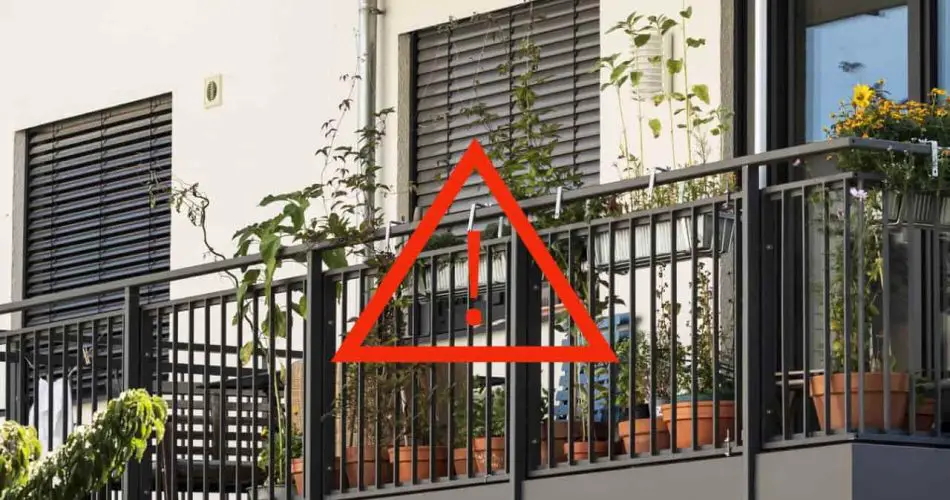
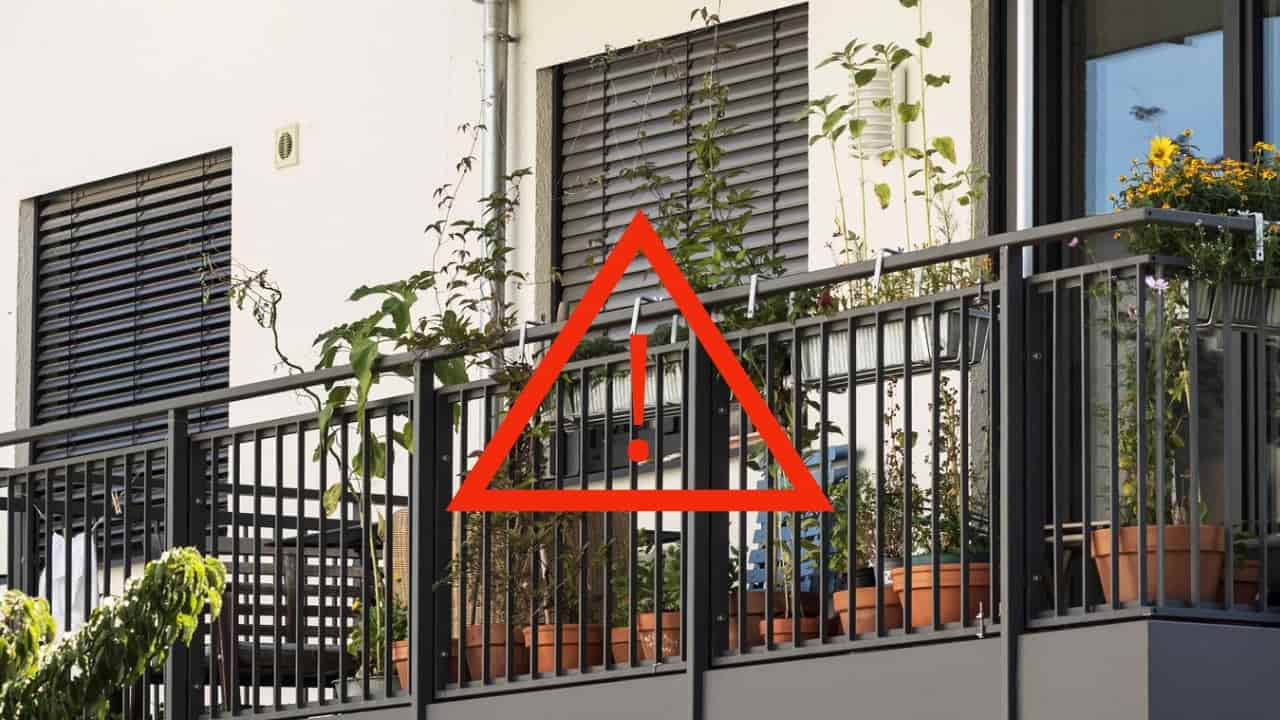
Balcony gardening is a popular way to add beauty and life to your outdoor space, but it’s important to be aware of the potential hazards posed by certain plants. While many plants are safe and beneficial, some common balcony plants can be toxic, especially if you have small children or pets. Here are five poisonous plants that you should consider removing from your balcony:
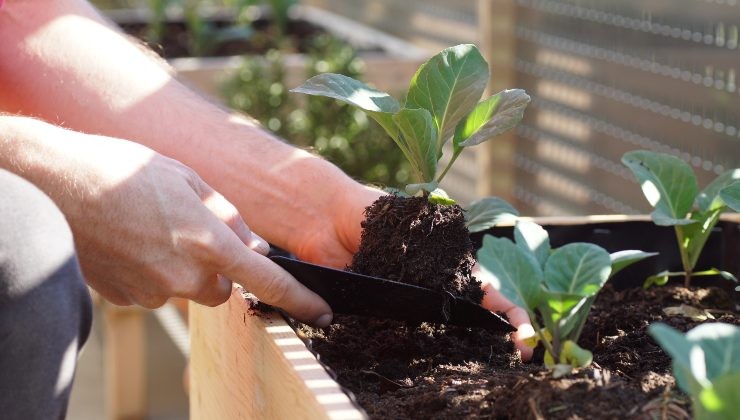
1. Oleander (Nerium oleander)
- Toxicity: All parts of the Oleander plant, including leaves, flowers, and stems, are highly toxic. They contain compounds called cardiac glycosides which can cause severe symptoms if ingested.
- Symptoms: Vomiting, diarrhea, abdominal pain, irregular heartbeats, and potentially fatal cardiac complications.
- Precautions: Avoid planting Oleander in areas accessible to children and pets, and wear gloves when handling the plant.
2. Poppy (Papaver spp.)
- Toxicity: The entire Poppy plant is toxic, with its seeds, leaves, and flowers containing alkaloids such as morphine and codeine.
- Symptoms: Drowsiness, nausea, vomiting, and respiratory distress if ingested.
- Precautions: Ensure that the plant is not in reach of small children or animals, and avoid handling it without gloves.
3. Poleggio Mint (Mentha pulegium)
- Toxicity: Poleggio Mint, also known as Pennyroyal Mint, contains pulegone, which can be toxic if ingested in large quantities.
- Symptoms: Liver damage, gastrointestinal upset, and potentially severe poisoning effects.
- Precautions: This plant should not be used in cooking or herbal remedies, and care should be taken to keep it away from children and pets.
4. Basil (Ocimum basilicum)
- Toxicity: While common sweet basil used in cooking is generally safe, some varieties of basil, such as the ‘Thai basil,’ may have higher levels of toxic substances in their leaves and flowers if consumed in large quantities.
- Symptoms: The risk is minimal, but excessive consumption might lead to mild gastrointestinal issues.
- Precautions: Stick to culinary basil varieties and avoid overconsumption. Properly identify any other basil types before planting.
5. Parsley (Petroselinum crispum)
- Toxicity: Parsley itself is not poisonous, but the plant produces toxic seeds and flowers that can be harmful if ingested in large amounts.
- Symptoms: Digestive issues, including nausea and vomiting, if consumed excessively.
- Precautions: Regular kitchen parsley is generally safe, but be cautious of the flowering stage if it occurs.
General Precautions
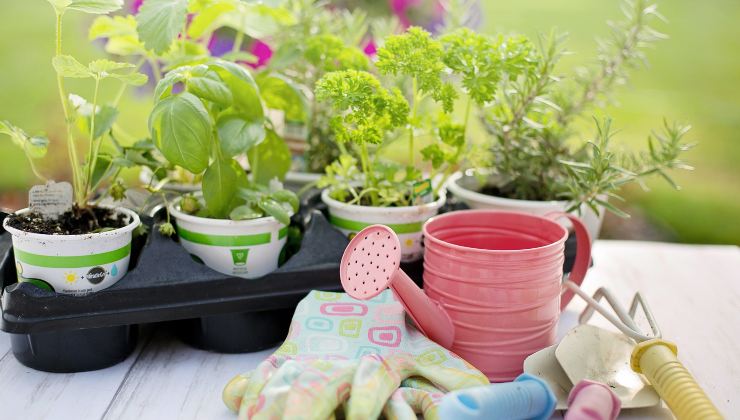
- Identification: Make sure you correctly identify any plant before introducing it to your garden or balcony. Misidentification can lead to unexpected toxicity issues.
- Placement: Place potentially toxic plants in areas that are not easily accessible to children or pets.
- Handling: Wear gloves when handling or pruning these plants, and wash your hands thoroughly afterward.
- Education: Educate family members and visitors about the presence of these plants and their potential dangers.
By taking these precautions, you can enjoy a beautiful and safe balcony garden while avoiding the risks associated with poisonous plants.
Show Comments