4 Tips to Prevent Blossom End Rot of Tomatoes
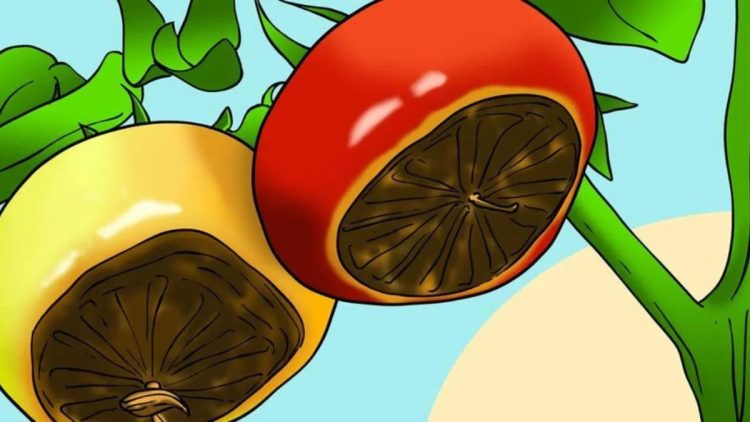
Growing tomatoes in your vegetable garden is a rewarding endeavor, but the occurrence of blossom end rot can be disheartening. The appearance of black spots on the underside of tomatoes is a sign of this condition, which is primarily caused by a calcium deficiency resulting from water stress. Here are four tips to help you prevent blossom end rot and ensure a healthy tomato harvest:
- Water the Tomato Plants Well:
- Provide an average of 1 liter of water per day per tomato plant.
- Use a soaker hose or watering can for efficient watering.
- Increase water supply during dry periods, especially for container-grown tomatoes.
- Avoid wetting the leaves to prevent the spread of diseases.
- Apply Mulch Around Tomato Plants:
- Spread a 5 cm layer of organic mulch around the base of the plants.
- Mulch helps retain soil moisture, preventing rapid drying between waterings.
- Options for mulch include straw, grass clippings, chopped leaves, or shredded bark.
- Avoid Overfertilization:
- Be cautious not to overfertilize, as excessive growth can lead to calcium uptake issues.
- Rapid growth may contribute to blossom end rot.
- Apply well-rotted compost (5 cm thick) before spring planting for slow nutrient release and improved soil structure.
- Only use fertilizers if recommended by a soil test and follow label directions carefully.
- Take Care of the Roots:
- Roots play a crucial role in calcium absorption to prevent blossom end rot.
- Avoid disturbing the root zone by refraining from digging around the plants.
- Use mulch to keep the root zone undisturbed and free from weeds.
How to Add Calcium to Tomatoes:
- Eggshell: Crush eggshells and bury them in the soil. Macerating them in a mild acid, like vinegar, can enhance calcium release.
- Calcium Oxide: Add calcium oxide to the soil if it is slightly basic, but calcium is not in a soluble form for plants.
- Milk: Dilute milk in water (1 glass in 1 liter) and spray it on the plant. Alternatively, spread powdered milk on the ground or leaves.
Additional Information:
- Calcium deficiency is common in orchards, and various methods can be used to address it.
- Ozone treatment can prevent the growth of pathogenic microorganisms, including the fungus causing mold in tomato plants.
- Ozone can be applied through ozonated water, treating leaves, or spraying, serving both as a disease preventive and a substrate disinfectant.
By following these tips and ensuring a consistent water supply, you can minimize the risk of blossom end rot in your tomato plants and enjoy a bountiful and healthy harvest.
Show Comments