Indoor plants not only enhance the aesthetic appeal of your living space but also offer some practical benefits. Certain houseplants can help purify the air and regulate humidity, which is essential for preventing the growth of mold. Excess humidity in the air can create an ideal environment for mold spores to thrive, but with the right plants, you can significantly reduce this risk. Here are four indoor plants that are especially effective in absorbing moisture and keeping your home mold-free.
Why Are Plants Effective in Reducing Humidity?
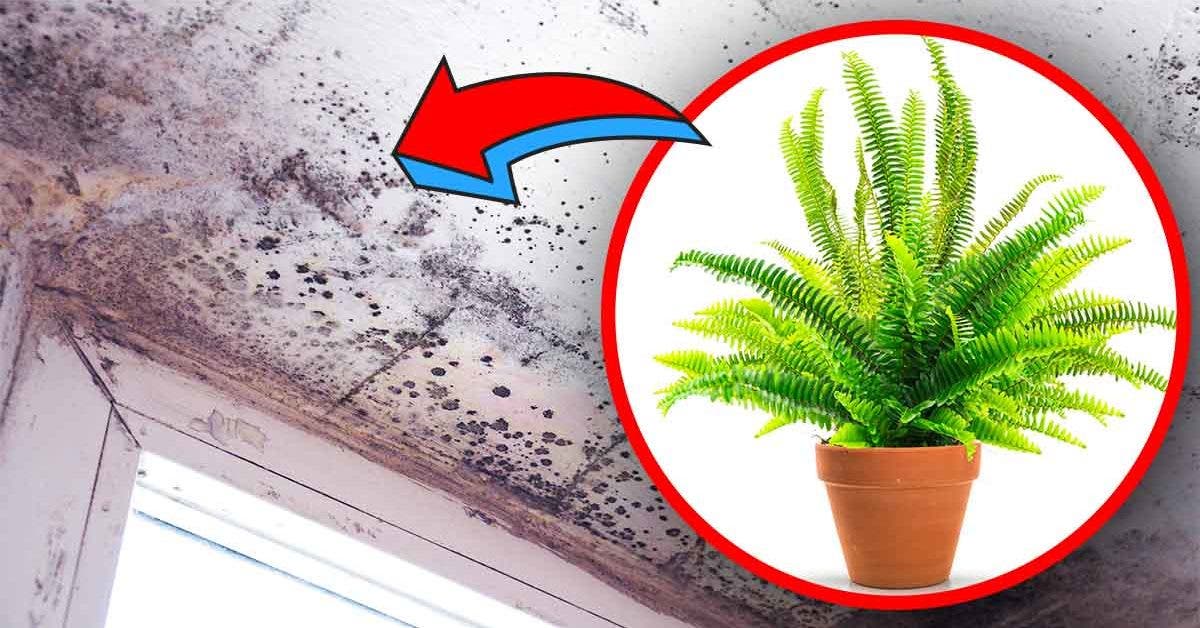
Plants can help manage indoor humidity by absorbing excess moisture from the air, making them a natural solution for preventing mold growth. Mold thrives in humid environments, and by choosing plants that can soak up this moisture, you can improve air quality and protect your home from mold-related issues.
The 4 Best Indoor Plants to Prevent Mold in Your Home
1. Spider Plant (Chlorophytum)
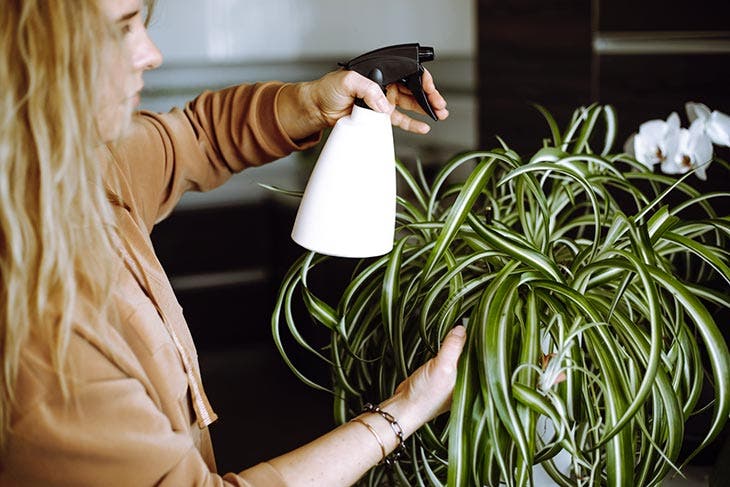
The Spider Plant, native to South Africa, is not only easy to care for but also incredibly effective at absorbing humidity. This hardy plant has long, arching leaves that can absorb moisture from the air, helping to prevent mold growth. Additionally, the spider plant is great at purifying the air, removing pollutants like formaldehyde, benzene, and toluene, making it a two-in-one solution for a healthier home. It’s an ideal choice for any room, as it can tolerate low light and occasional neglect.
2. Peace Lily (Spathiphyllum)
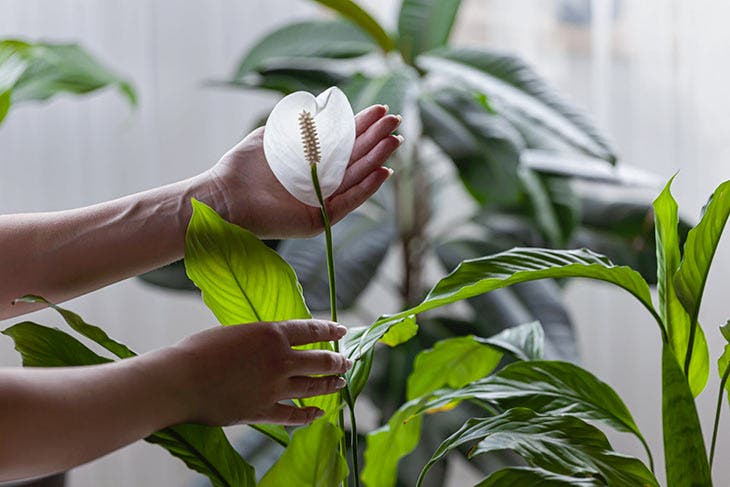
The Peace Lily is a perennial plant that thrives indoors, even in dimly lit areas. It’s the perfect plant for those who may not have a green thumb, as it’s low-maintenance and can tolerate occasional neglect. This plant is well-known for its ability to absorb humidity, and its large, glossy leaves help regulate the moisture in the air. By doing so, the Peace Lily can help prevent the growth of mold and fungi, especially in areas with poor ventilation. Plus, it purifies the air by removing harmful chemicals like ammonia and benzene.
3. Boston Fern (Nephrolepis exaltata)
The Boston Fern is a popular choice for indoor gardeners due to its decorative foliage and humidity-absorbing capabilities. This tropical plant thrives in humid environments and is often found in bathrooms or kitchens where humidity tends to be higher. Not only does it help to regulate indoor humidity, but it also acts as a natural air purifier, absorbing harmful volatile organic compounds like formaldehyde and xylene. By reducing humidity, the Boston Fern helps eliminate the ideal conditions for mold to flourish.
4. Tillandsia (Air Plant)
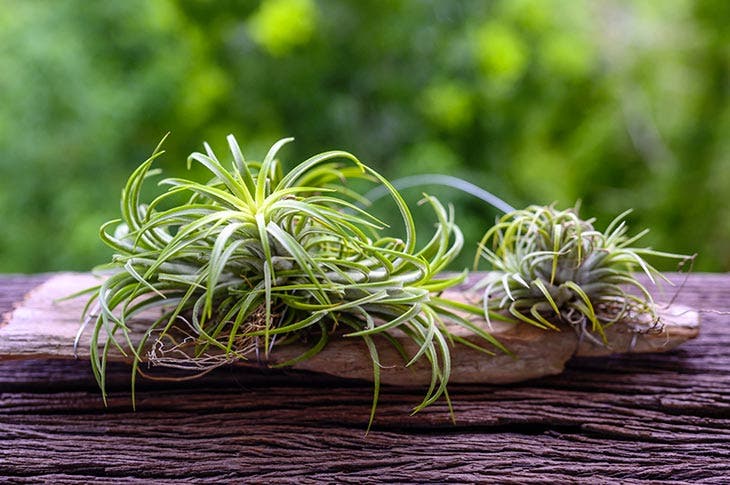
Native to the Americas, Tillandsia, commonly known as air plants, are unique in that they don’t require soil to thrive. These fast-growing plants absorb moisture directly from the air, making them excellent at reducing indoor humidity. Tillandsia is easy to care for, requiring only a bright spot in your home (but avoiding direct sunlight). By absorbing excess moisture from the environment, they help maintain balanced humidity levels, preventing mold growth. These plants are perfect for hanging or placing in decorative containers.
Conclusion
If you’re dealing with high humidity levels in your home, these four plants are a natural and effective way to combat the problem. By incorporating spider plants, peace lilies, Boston ferns, and Tillandsia into your home, you can enjoy the beauty of lush greenery while also keeping the air fresh and preventing the growth of mold. With their humidity-absorbing properties, these plants help create a healthier, mold-free environment in your living space.