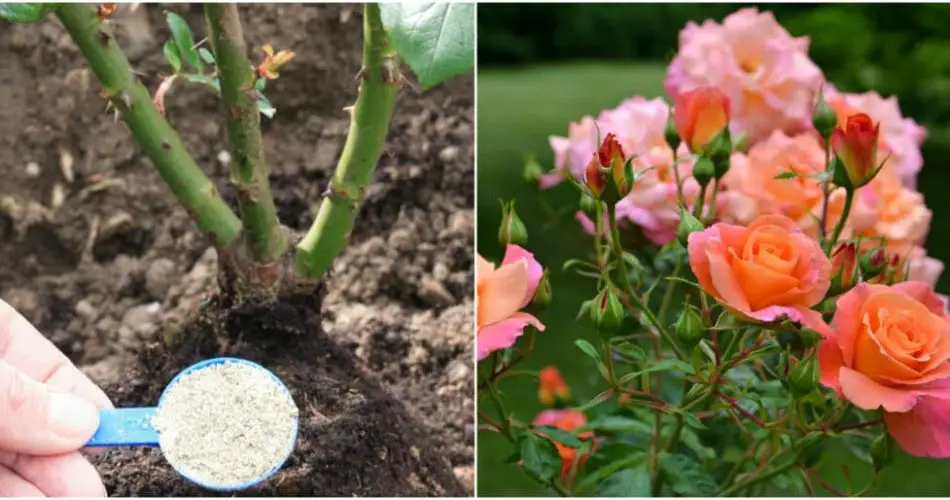
To ensure that your roses bloom beautifully all summer long, two fertilizing sessions are crucial in the spring:
- Balanced Nutrition:
- After spring pruning, provide roses with a boost of energy for active growth. Use a complex fertilizer high in nitrogen content.
- Options for the first feeding include:
- Ammonium nitrate: 20 g per 10 liters of water
- Nitroamofoska: 30 g per 10 liters of water
- Ammonium sulfate: 25 g per 10 liters of water
- Fertilized manure: 300 g per bush
- Bird droppings: 100 g per bush
- Ensure to follow manufacturer instructions for preparation and application. Avoid overfeeding to prevent root burns, and moisten the soil before application.
- Stimulation of Flowering:
- Approximately 2-3 weeks after the first feeding, encourage budding and abundant flowering with potassium-phosphorus fertilizers.
- Options for the second feeding include:
- Superphosphate: 40 g per 10 liters of water
- Potassium sulfate: 20 g per 10 liters of water
- Wood ash: 100 g per bush
- Complex fertilizers for roses as per manufacturer’s instructions
- Apply these fertilizers carefully to avoid delaying shoot growth, and remember to mulch the soil after application.
Additional Tips:
- Avoid using fresh manure to prevent root burns.
- Refrain from fertilizing during periods of heat or drought.
- After fertilizing, water the roses generously.
- Regularly inspect plants and apply foliar fertilization if necessary.
Following these guidelines ensures that your roses receive the necessary nutrients for vibrant, healthy growth and continuous blooming throughout the summer season. With proper nutrition, your roses will grace your garden with their colors and fragrance, delighting both you and your visitors.
Show Comments