Monstera deliciosa, also known as the Swiss cheese plant, is one of the most popular houseplants thanks to its easy maintenance and tolerance for different light levels. It thrives in bright indirect light but can also adapt to low-light conditions, making it ideal for indoor spaces.
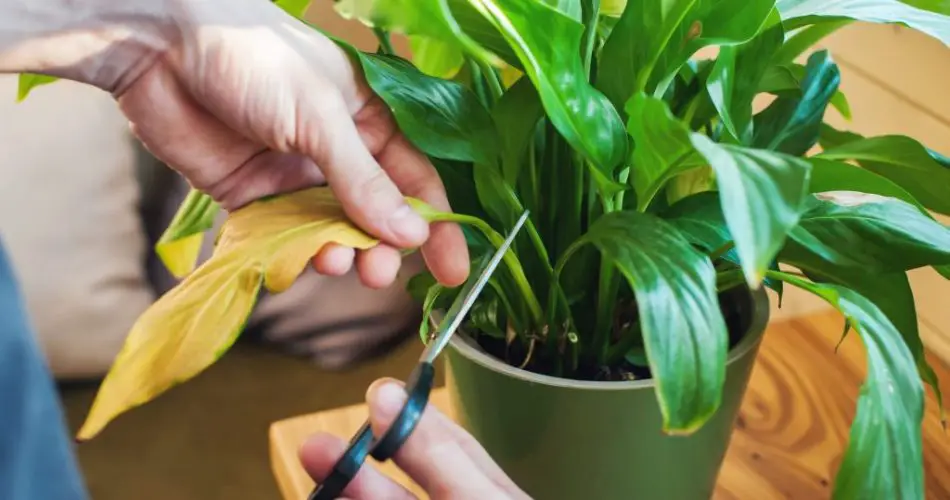
Despite its hardy nature, monstera can still develop yellow leaves, a clear sign that something is wrong. But don’t worry! In most cases, it’s a fixable issue. Here’s how to identify the cause and restore your plant’s health.
🌱 Why Is Your Monstera Getting Yellow Leaves?

There are several reasons why monstera leaves turn yellow, but the most common are:
🛑 Overwatering → Leads to root rot, causing leaves to turn yellow and mushy.
🚱 Underwatering → Results in dry, crispy yellow leaves.
☀️ Too Much Sunlight → Direct sunlight can scorch leaves, leading to yellow or brown spots.
🌡 Extreme Temperatures → Cold drafts or heat stress can cause leaf discoloration.
🌱 Soil Issues → Poor drainage or excess fertilizer can lead to nutrient buildup, which damages roots.
🐜 Pests & Diseases → Fungal infections or insect infestations can weaken the plant, leading to yellowing.
In most cases, overwatering is the primary culprit! 🌊 When the roots sit in waterlogged soil, they suffocate, causing the leaves to yellow from the bottom up.
💡 How to Fix Yellow Monstera Leaves
If you suspect overwatering, follow these step-by-step solutions:
✅ Check Drainage → Make sure your pot has drainage holes so excess water can escape. If it doesn’t, repot your plant into a well-draining container.
✅ Let the Soil Dry → Stop watering immediately and allow the soil to dry out completely before the next watering. If the soil is still damp, wait until the top 2 inches feel dry.
✅ Remove Excess Water → If your monstera is sitting in standing water, drain it immediately. Remove the plant from the saucer and tilt the pot to let excess moisture escape.
✅ Increase Air Circulation → Place your monstera in a well-ventilated spot, but avoid strong drafts, which can cause stress and further leaf damage.
✅ Monitor for Improvement → Over the next few weeks, watch for new healthy growth. If the plant continues declining, check for root rot (dark, mushy roots) and trim any damaged sections before repotting.
🪴 Special Case: Monstera adansonii

The Monstera adansonii, a smaller variety with heart-shaped, perforated leaves, also suffers from yellowing due to overwatering.
🌿 Key Differences:
🔹 It has smaller leaves, so it absorbs water faster and dries out more quickly.
🔹 It generally needs more frequent watering than Monstera deliciosa, but overwatering is still a risk.
🔹 Follow the same watering principles: let the soil dry out completely before watering again.
📝 Quick Tips to Keep Your Monstera Healthy
✔ Water Wisely → Only water when the top 2 inches of soil are dry.
✔ Provide Bright, Indirect Light → Keep your plant away from direct sun to prevent scorching.
✔ Use Well-Draining Soil → A mix of peat, perlite, and bark prevents waterlogging.
✔ Maintain Ideal Temperatures → Keep it between 65-85°F (18-29°C) and away from cold drafts.
✔ Watch for Pests → Check for aphids, spider mites, or fungus gnats, which thrive in moist soil.
By following these tips, your monstera will stay lush, green, and thriving! 🌿✨
Have you experienced yellowing leaves on your monstera? Let me know how you fixed it! 😊💚