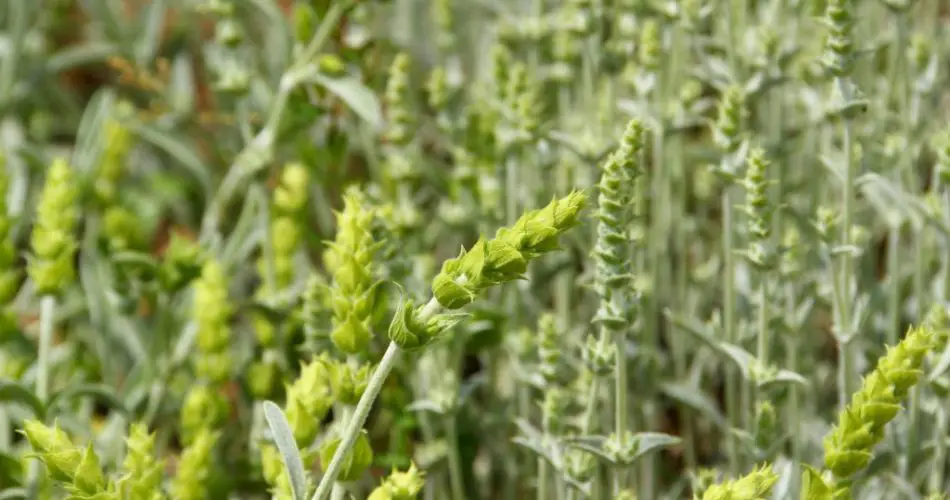
The Stregonia Herb is a unique Mediterranean plant that is often mistaken for sage. Found abundantly in the mountains of Sicily, this plant stands out with its long, narrow leaves and vibrant yellow flowers. Used in cooking, cosmetics, and even ancient rituals, Stregonia is a versatile and historical herb with a fascinating past.
🌱 How to Recognize Stregonia Herb

Scientifically known as Sideritis syriaca, this plant belongs to the Lamiaceae family and is commonly referred to as:
✔ Mountain Tea
✔ Shepherd’s Tea
✔ Sicilian Witch Herb
Although it shares similarities with sage, Stregonia has distinct characteristics, including:
🔸 Narrower, elongated leaves
🔸 Yellow flowers (unlike sage’s blue or purple flowers)
🔸 A strong, aromatic scent
Stregonia thrives in mountainous and rocky regions of the Mediterranean and the Balkans, especially in Sicily, where it grows in harsh conditions where other plants struggle to survive. Its woody stem reaches about 30-50 cm in height, and its velvety flowers bloom between May and July.
🧙♂️ Stregonia Herb: History, Myth, and Legend

The name Sideritis comes from the Greek word “sideros”, meaning iron. In ancient times, it was believed that this plant had healing powers, especially for wounds caused by iron weapons, making it a valuable remedy for soldiers.
Throughout history, Stregonia has been linked to magic and folklore:
🔹 Known as “malatoira” (meaning “removes all evils”) due to its believed healing abilities
🔹 Thought to ward off evil spirits and protect those who carried it
🔹 Used in rituals to purify spaces and dispel negative energy
These mystical associations solidified its reputation as a magical and protective herb throughout the centuries.
🍵 What Can You Do with Stregonia Herb?

1️⃣ Herbal Teas & Infusions
Known as “Mountain Tea” or “Shepherd’s Tea”, Stregonia is used to make a delicate, tonic infusion that is:
✔ Free of theine (caffeine), making it suitable for children and those avoiding stimulants
✔ Known for its refreshing and revitalizing properties
2️⃣ Culinary Uses
In cooking, Stregonia’s aromatic leaves add a unique flavor to:
✔ Meat dishes
✔ Fish recipes
✔ Vegetable-based meals
3️⃣ Natural Cosmetics
Thanks to its soothing and antibacterial properties, Stregonia is used in:
✔ Skin creams
✔ Lotions
✔ Aromatic honey (though production is limited due to the plant’s challenging growing conditions)
4️⃣ Ornamental Plant
Beyond its practical uses, Stregonia is often grown in Mediterranean gardens, where it adds beauty and a distinct fragrance.
🌿 A Hidden Sicilian Treasure
The Stregonia Herb is more than just a culinary ingredient—it’s a historical, medicinal, and mystical plant that has been valued for centuries. Whether used for tea, cooking, skincare, or tradition, this Sicilian gem remains a versatile and captivating herb.
Have you ever tried Stregonia in tea or cooking? Let us know your experience! 🌿✨