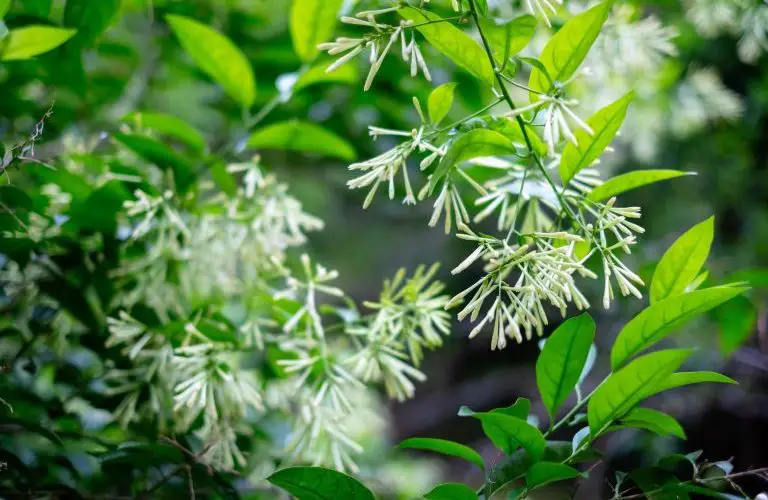
With its delicate flowers, intoxicating fragrance, and evergreen foliage, jasmine is a popular climbing plant found across the Middle East, South America, and many other regions. It is hardy, requires minimal watering, and grows best in sunny locations—but to keep it healthy and lush, you need to provide proper care and seasonal fertilization.

Want to grow vibrant, fragrant jasmine in your garden or home? Here’s everything you need to know!
🌸 The Different Types of Jasmine

There are over 250 species of jasmine (Jasminum genus), each with its own characteristics. Here are some of the most popular varieties:
1️⃣ Yellow Jasmine (Jasminum nudiflorum)
Known as St. Joseph’s jasmine, this variety produces vivid yellow flowers and is famous for its winter blooms.
2️⃣ Madagascar Jasmine (Stephanotis floribunda)
One of the best varieties for indoor growing, Madagascar jasmine thrives in pots and produces small, fragrant white flowers in late spring.
3️⃣ Spanish Jasmine (Jasminum grandiflorum)
Also called Sicilian jasmine, this variety originates from the Arabian Peninsula and Horn of Africa but is widely cultivated around the Mediterranean.
4️⃣ Blue Jasmine (Plumbago auriculata)
This stunning variety is often used for decorative purposes, featuring light blue flowers that make it perfect for covering walls and balconies.
🌿 False Jasmine vs. Common Jasmine: The Differences
A common lookalike is false jasmine (Trachelospermum jasminoides), a climbing plant with white flowers and an intense scent. Unlike true jasmine, it does not lose its leaves in winter and has narrower, tapered petals.
🪴 When and Where to Plant Jasmine

The best time to plant jasmine is in spring, between April and May, so you can enjoy abundant flowering by late May or early June.
✅ Sunlight: Jasmine thrives in bright, sunny areas. It can grow in partial shade, but it must receive at least a few hours of sun per day.
✅ Temperature: Jasmine does not tolerate extreme cold, so keep it sheltered from wind and low temperatures.
✅ Soil: Choose soft, well-drained soil rich in organic matter (peat, sand, and compost).
🏡 Growing Jasmine in a Pot or Garden

Jasmine flourishes both in the ground and in pots. If growing in a pot, follow these steps:
🔹 Use a medium-to-large pot (at least 30 cm wide) to allow the roots to spread.
🔹 Add gravel or expanded clay at the bottom to improve drainage.
🔹 Place a wooden trellis for support as the plant grows.
🔹 During winter, protect the roots by covering the soil with dry leaves or bark.
If planting jasmine in the garden, choose a sunny, well-drained spot and provide climbing support like a trellis or pergola.
💧 Watering Jasmine
Jasmine is drought-resistant, so it doesn’t require frequent watering. However, during spring and summer, regular watering stimulates growth and flowering.
🚰 Tips for Proper Watering:
✅ Water 2-3 times a week in warm months.
✅ Avoid overwatering, as stagnant water can cause root rot.
✅ During vacations, use an inverted plastic bottle filled with water to keep the soil moist.
✂️ Pruning & Propagation
Pruning is essential for maintaining the shape and health of your jasmine plant.
✂️ Best time to prune: After the flowering season ends.
✂️ What to cut: Remove weak, deformed, or overgrown branches to encourage new flowers.
Jasmine can also be propagated through cuttings—simply cut a healthy stem, place it in moist soil, and wait for new growth!
🌱 How to Make Jasmine Thicker & More Lush

To boost growth and flowering, fertilize jasmine regularly:
🌿 Spring & Summer: Use liquid fertilizer mixed with water every two weeks.
🍂 End of Winter: Apply organic fertilizer like compost or manure to prepare the plant for new growth.
🐛 Protecting Jasmine from Pests & Diseases
Jasmine is susceptible to certain pests, including:
🦠 Aphids & Scale Insects → Feed on sap, leaving leaves covered in sticky honeydew.
🌿 Sooty Mold & Gray Mold → Fungal diseases caused by high humidity.
How to Protect Your Plant:
✅ Mix mature manure into the soil to prevent pests.
✅ Treat infestations with sulfur-based fungicides.
✅ Remove scale insects manually using alcohol-soaked cotton or white oil.
✅ Avoid excessive watering, especially on hot summer days.
🌼 Final Tips for Growing Jasmine Successfully
✔ Choose the right variety for your climate and space.
✔ Provide support for climbing growth.
✔ Water properly, avoiding excess moisture.
✔ Prune regularly to maintain shape and encourage flowering.
✔ Protect against pests with natural or chemical treatments.
By following these simple steps, you’ll have a lush, fragrant jasmine plant that enhances your home or garden! 🌿🌸
Would you grow jasmine indoors or outdoors? Let me know in the comments! 😊