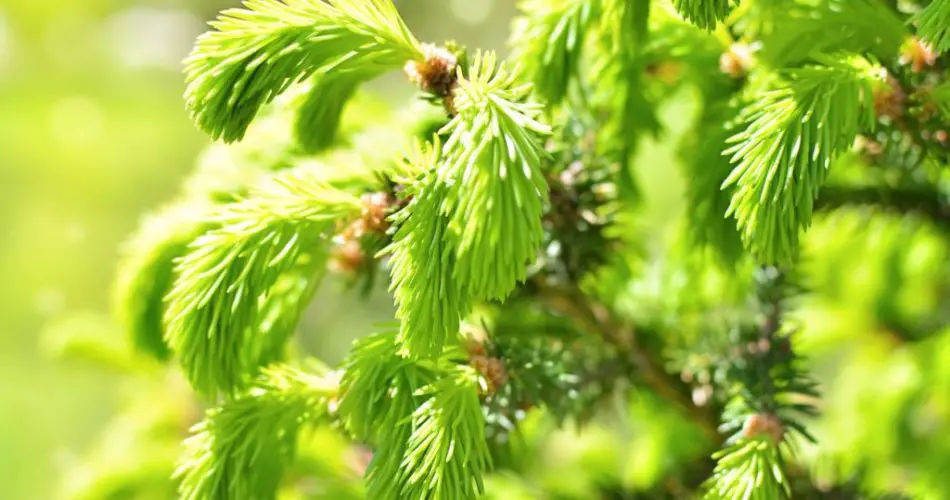
Needle-like leaves are a fascinating evolutionary adaptation that help plants survive harsh climates and conserve water. Their structure reduces water loss, making them ideal for environments with low moisture and extreme temperatures.
🌿 Characteristics of Needle-Like Leaves
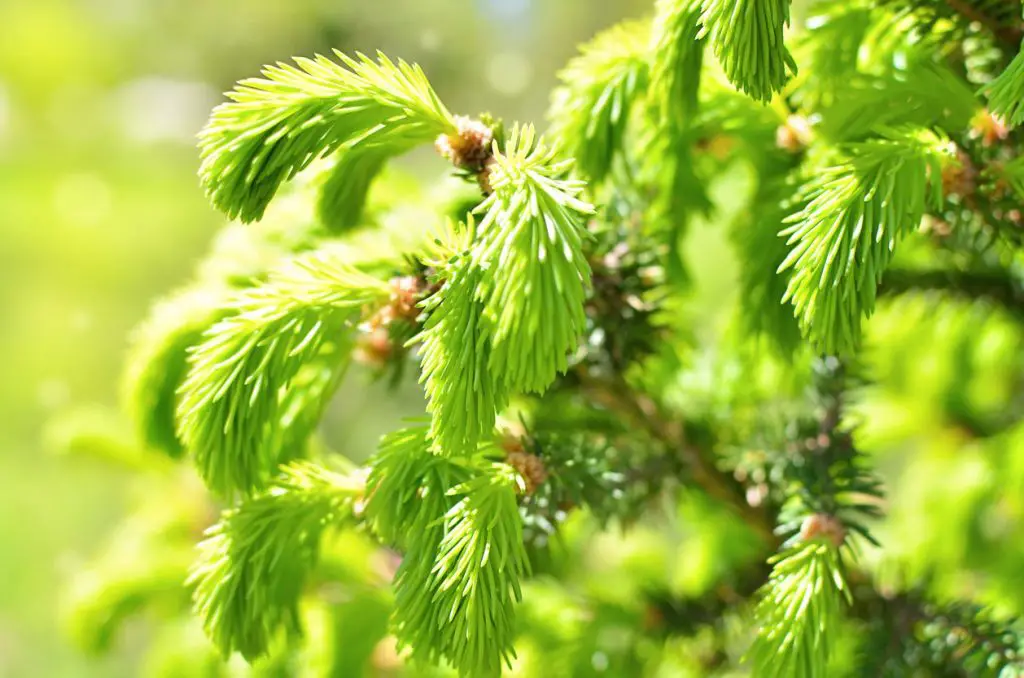
✔ Thin, elongated shape (similar to needles)
✔ Reduced surface area to minimize water loss
✔ Waxy coating to prevent dehydration
✔ Rigid structure for durability
🔬 Why Did Some Plants Evolve Needle-Like Leaves?
1️⃣ To Reduce Water Loss
🌵 In dry or arid environments, plants need to conserve water. Smaller leaves mean less surface area for evaporation, helping them retain moisture.
2️⃣ To Survive Cold Climates
❄️ In cold regions, broad leaves could collect too much snow, causing branches to break. Needles allow snow to slide off easily!
3️⃣ To Withstand Strong Winds
🌬️ Thin, flexible needles are less likely to be damaged by heavy winds compared to broad, delicate leaves.
🌲 Examples of Needle-Like Leaf Plants
🌿 Aromatic Plants
- Rosemary → Used in cooking, known for its drought resistance.
🌳 Trees with Needle Leaves
- Pine Trees (Pinus spp.) → Includes 120 species, widely found in forests.
- Silver Fir (Abies alba) → Known as the “prince of the woods”, majestic and slender.
- Cypress (Cupressus spp.) → Tall and elegant, can grow up to 50 meters high!
💡 Fun Fact: Some needle-leaved trees, like pines and firs, keep their leaves year-round (evergreens), allowing them to photosynthesize even in winter!
Do you have any favorite needle-leaved plants? 😊🌲


