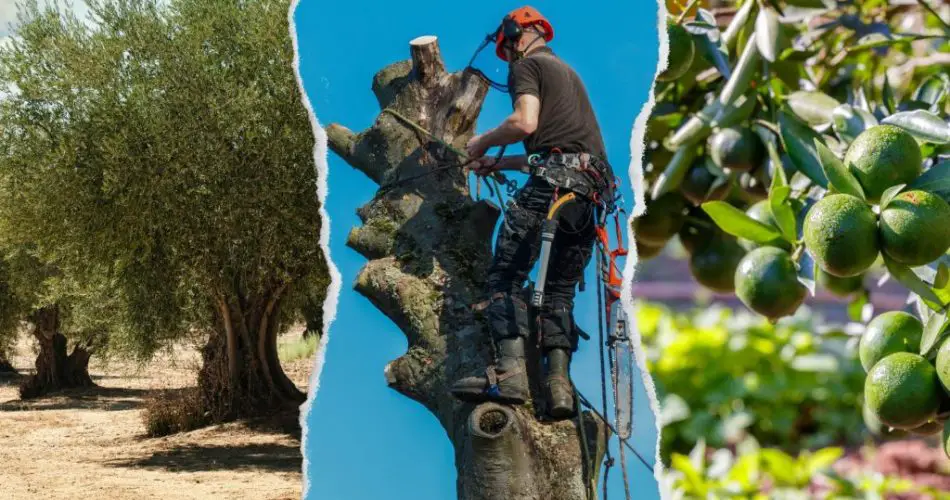
Did you know that pruning waste from trees like olives and avocados can be repurposed to help fight pollution? A student from the Polytechnic University of Turin and a team of researchers from the University of Girona have discovered two eco-friendly methods that transform agricultural waste into materials for construction and packaging—two of the most polluting industries today.
🏗️ Olive Tree Pruning for Sustainable Building Materials
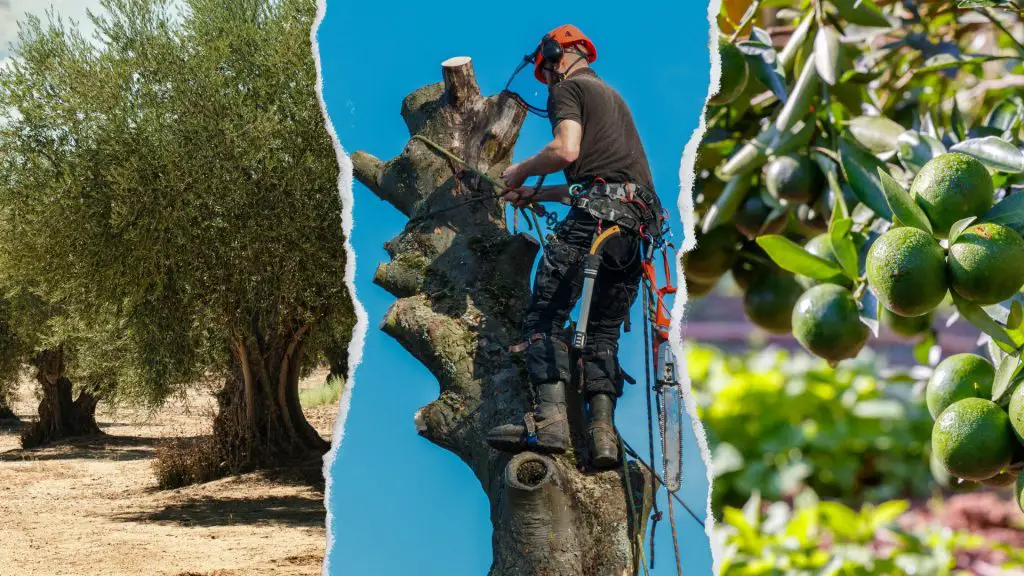
In Italy, student Rossella Cottone from the Polytechnic University of Turin explored how olive tree pruning waste can be used to produce sustainable building materials.
Why is this important?
Normally, olive pruning waste is discarded or burned, leading to an increase in CO₂ emissions. The goal of her research was to find alternative uses for this waste, helping to reduce greenhouse gases and promote a circular economy.
🔬 The Research Process
The study analyzed olive waste properties in terms of:
✔ Thermal insulation – Can it help regulate indoor temperatures?
✔ Hygroscopic properties – How well does it manage moisture?
✔ Acoustic insulation – Can it reduce noise pollution?
✔ Aesthetic potential – Could it be visually appealing?
The research involved creating insulating panels using natural binders made from water and flour. The results were encouraging, showing that olive pruning chips could be used in sound-absorbing and humidity-regulating structures inside buildings.
Although the study is still in its experimental phase, it presents an exciting alternative to conventional insulation materials, potentially making the construction industry more eco-friendly.
📦 Avocado Pruning as a Replacement for Plastic Packaging
Meanwhile, in Spain, researchers at the University of Girona found a way to use avocado tree pruning waste to create a biodegradable alternative to polyethylene—one of the most common microplastics used in food packaging.
The Problem with Polyethylene
Polyethylene is widely used in food packaging, but like all microplastics, it takes centuries to degrade and contributes to the plastic pollution crisis—especially in our oceans.
🌍 A Biodegradable Solution
Avocado pruning waste is rich in cellulose, a key ingredient in packaging materials. Researchers discovered that by combining cellulose from avocado waste with polyethylene, they could create a biopolyethylene that breaks down faster than traditional plastics.
This new biodegradable packaging is still being tested for food preservation capabilities, but if successful, it could be a game-changer in the fight against plastic waste.
🌿 A Greener Future for Agriculture and Industry
Both of these innovative methods highlight the potential of agricultural waste in reducing industrial pollution. By rethinking how we use pruning waste, we can:
✅ Reduce CO₂ emissions
✅ Limit plastic pollution
✅ Promote a circular economy
✅ Create more sustainable industries
With further research and development, these ideas could revolutionize construction and packaging, proving that nature holds the key to a more sustainable future. 🌍✨
Would you support using biodegradable packaging or eco-friendly building materials? Let us know your thoughts! 💬♻️


